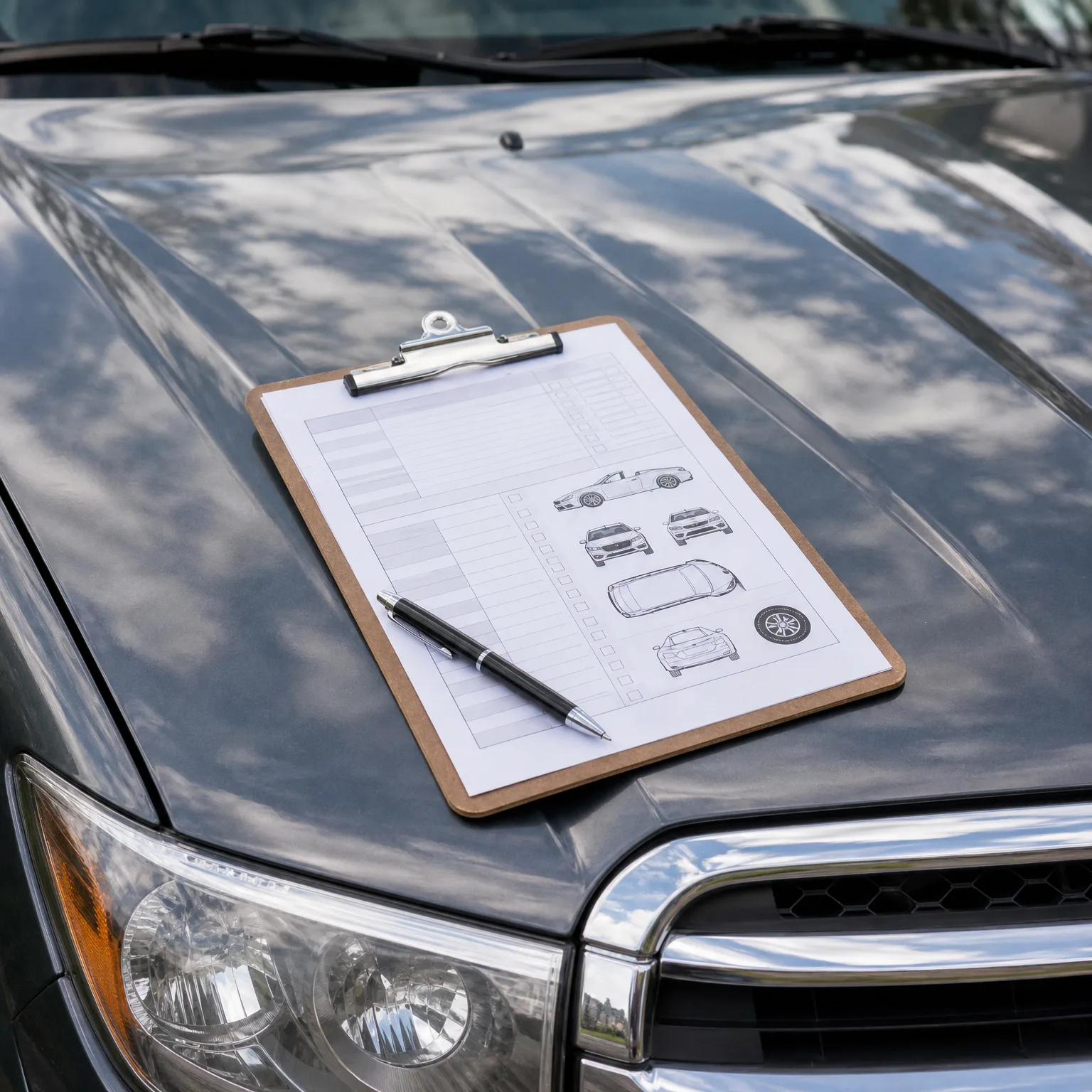
Do Police Take Pictures of Car Accidents
Some officers take photos at the scene, but many don't, so you should never count on it and should take your own.
A rear-end crash where the driver assumed the officer had it covered
A driver was rear-ended at a light and the other car admitted fault right there. An officer arrived, took statements, wrote down vehicle positions, and handed out a report number, but never pulled out a camera. The driver assumed that since the officer was writing everything down, the visual record was handled too, so they drove off without taking a single photo of the bumper damage or the skid marks.
Weeks later the other driver's insurer disputed the claim, arguing the damage didn't match the story. The driver requested the police report and found it had no photos attached, just a diagram and narrative. Without images of the damage, the position of the cars, or the skid marks, the driver had nothing to counter the insurer's version except their own word. The claim dragged on far longer than it should have, and the payout ended up smaller than it would have been with even a few photos taken on a phone at the scene.
Can you get copies of the photos police took at your accident?
Sometimes, but it depends on the department and what they actually captured. If photos exist, they're usually attached to the official report or held in a separate file, and you'll need to request them through the records division of the police department that responded, not the officer directly.
Some departments release them free with the report, others charge a fee, and some don't release accident photos at all without a formal request process or a subpoena if there's a dispute. Processing time varies too, so don't wait on this if your claim is time-sensitive. Call the non-emergency line and ask directly whether photos were taken and how to request them, since the person who answers the phone will know their own department's process better than any general guide can tell you.
The photos that decide your claim are far more likely to come from your own phone than from a police camera.
Compare quotes now that you know what evidence you're actually responsible for gathering.

Whether you take your own photos at the scene
If you do
You'll have clear evidence of damage, vehicle positions, and road conditions the moment the claim starts. If the other driver's story shifts later or their insurer pushes back, you have something concrete to point to instead of relying on memory or a report that might be thin on detail.
If you don't
You're depending entirely on whatever the officer happened to document, which might be a few notes and a diagram with no images at all. If the claim turns into a dispute, you'll have no independent record of the damage or the scene, and that gap usually works against you, not the other driver.
What should I photograph at the scene of a car accident myself?
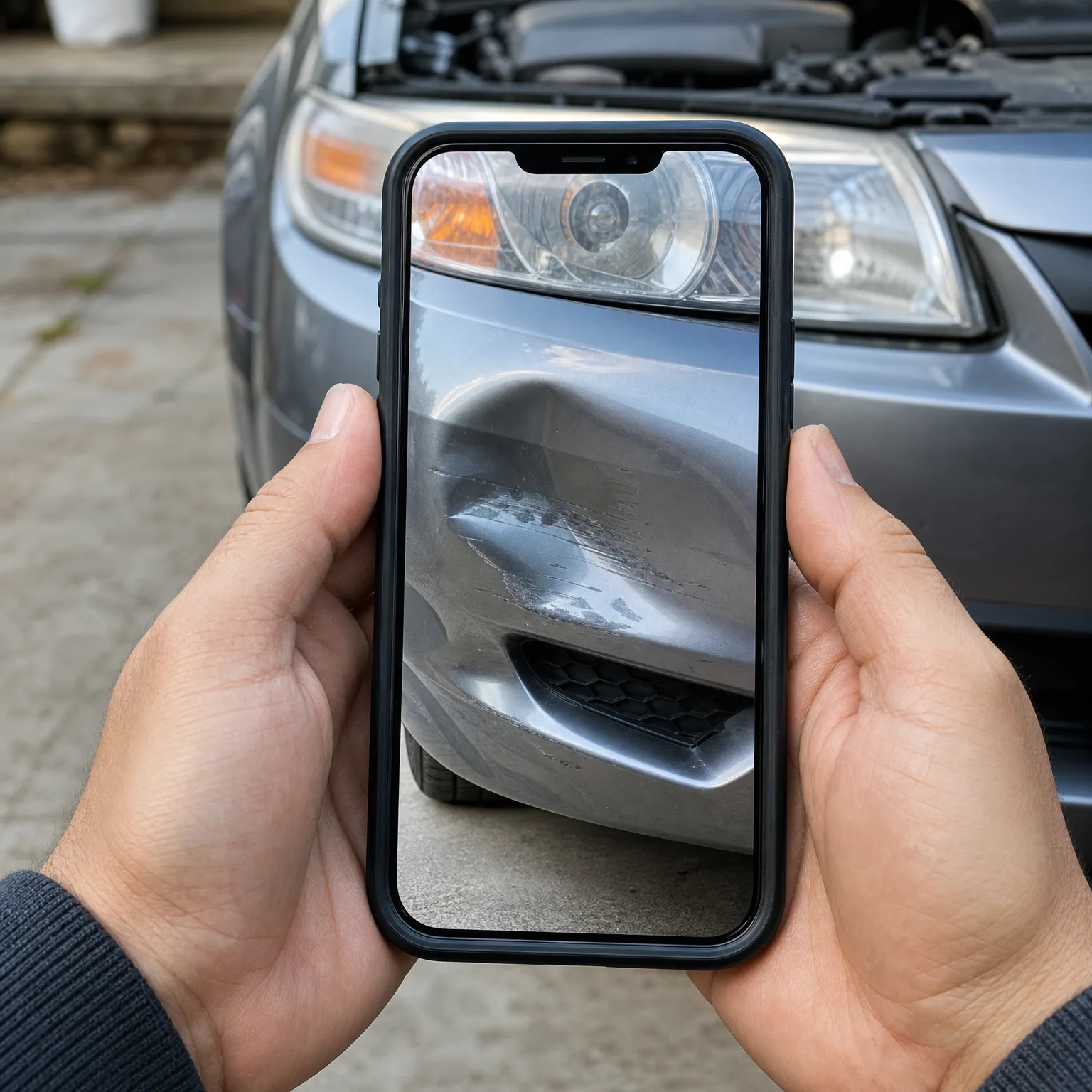
Photograph the damage on all vehicles involved, the full scene from several angles, license plates, any skid marks or debris, road signs or signals nearby, and the overall positioning of the cars before anything gets moved. Get close-up shots of damage and wider shots that show the full context. If there's visible injury, document that too, and take photos of the other driver's insurance and license if they're willing. What matters most is capturing anything that could be disputed later, since insurers weigh photo evidence heavily when stories conflict.
How do I get a copy of the official police report after an accident?
Contact the records division of the police department that responded, usually by phone or through their website, and request the report using the date, location, and names involved. Most departments make it available within a short window after the incident, though timing and fees vary by department, so ask directly what to expect. If your insurer is handling the claim, they may be able to request it on your behalf, which can save you a step, but it's worth getting your own copy too so you know exactly what it says before your insurer interprets it for you.
Does it matter if no police report was filed after a minor accident?
It can matter if the claim later becomes disputed, since there's no official record of what happened or who was involved. For minor accidents, some states and insurers are fine proceeding without one as long as you have photos, contact information, and a written account, but this varies, so check with your insurer about what they require. If the other driver later denies fault or disappears, having no report makes your case harder to support, so it's worth filing one even for accidents that seem small at the time.