Do Insurance Companies Know if You Have Had a Claim
Yes, insurance companies can see nearly every claim you've filed, even ones with a different insurer, through shared industry databases.
How insurers find your claim history
- The shared claims database Insurers report claims to a common database that other insurers can pull from. When you apply for a new policy, the insurer checks this history as part of pricing you.
- It follows you, not your car Your claim history is tied to you as a driver, not just to one vehicle or one policy. Switching insurers or buying a new car doesn't erase what's on file.
- Not-at-fault claims can show too Even claims where you weren't at fault can appear in your history. Ask any insurer you're quoting with how they treat not-at-fault claims before you assume it won't matter.
- Small claims still get recorded Filing a small claim still creates a record, even if the payout was minor. Weigh whether paying out of pocket is better than having another entry on file.
- How far back it's checked varies Insurers look back a different number of years depending on the company and your state. Ask directly how far back a quote you're getting actually looks.

The short version
Insurance companies can see your claim history through a shared industry database, so hiding or forgetting a claim won't work. Your history follows you between insurers and affects your rate wherever you apply. Before shopping for a quote, pull your own claims report so you know exactly what they'll see.

A driver who switched insurers after one claim
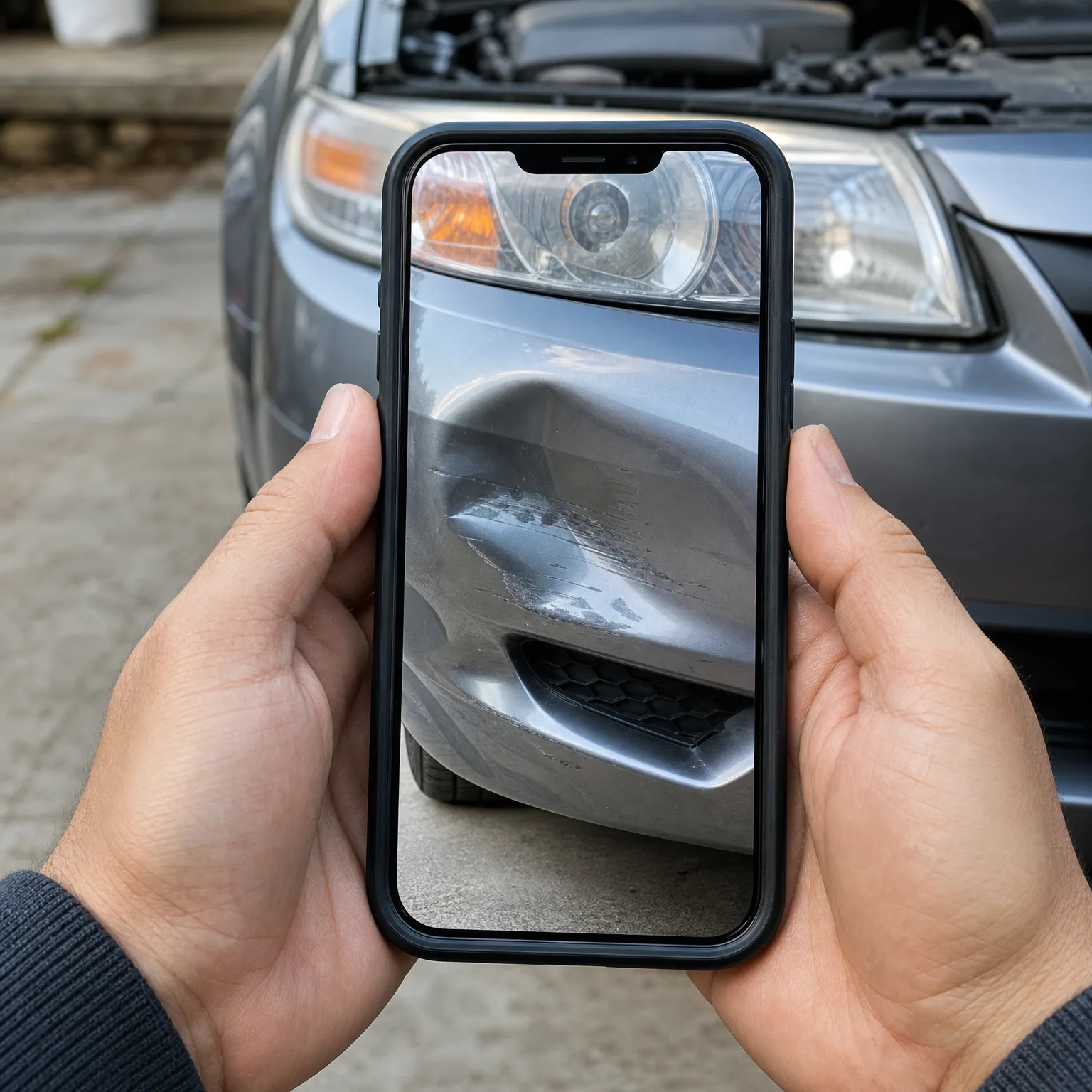
A driver filed a claim after a minor accident, then decided to shop around for a new policy a year later, assuming a fresh start with a new company. They picked an insurer they'd never used before, expecting the claim wouldn't come up since they'd never filed with that company directly.
When the new insurer pulled their history, the claim showed up immediately, along with the date and the amount paid out. The quote came back higher than expected, and the driver was confused until they asked the insurer directly how the claim affected the price. Once they understood the claim was factored in the same way it would have been with their old insurer, they stopped trying to shop around it and instead asked several companies how each one weighed that specific kind of claim, since the answer wasn't the same everywhere.
Now that you know your claim history is visible to every insurer, compare quotes to see who prices it most fairly.

Should you check your own claims report first
If you do
You'll see exactly what insurers see before you apply anywhere, including dates, amounts and whether each claim was marked at-fault. That lets you shop with confidence, correct any errors, and explain anything unusual directly to an agent instead of being surprised by a quote.
If you don't
You'll find out what's on file only when a quote comes back higher than expected, with no chance to catch an error beforehand. If something was reported incorrectly, like a claim marked at-fault that wasn't, you'll be stuck fixing it after the fact instead of before.
Why your claims aren't a secret between companies
Insurance only works if companies can price risk accurately, and your past claims are one of the clearest signals of future risk they have. To make that possible, the industry built a shared system where claims get reported and insurers can look them up, regardless of who you were insured with at the time.
This is why switching insurers doesn't give you a clean slate. The database exists specifically so a new company can see what an old one already knew. It protects insurers from someone hiding a history of claims, but it also means you can't outrun a claim by changing companies.
What varies is how each insurer interprets what they find. Some weigh not-at-fault claims lightly or not at all, while others treat any claim as a factor regardless of fault. How far back they look also differs, and this is usually set by the company or shaped by your state's rules, so the same history can produce different quotes from different insurers.
There are cases where this works differently than people expect. A claim that was later withdrawn or a payout that was reversed may still show up until it's corrected, so errors do happen and are worth checking. And a claim filed under someone else's policy, like a spouse's, may or may not follow you depending on whether you were listed as a driver at the time.