Do I Pay My Deductible to My Insurance Company
No, you don't write your insurer a check. Your deductible is subtracted from what they pay you, or you pay the shop the difference.
Your deductible is a subtraction, not a bill
A deductible is the share of a covered loss you absorb before insurance pays the rest. It was never designed as a separate payment you send in. It's built into how the claim gets calculated and settled, so it shows up as a smaller check or a direct arrangement with whoever is fixing your car.
In most claims, the insurer sends payment straight to the repair shop and the shop collects your deductible portion from you when you pick up the car. That way the insurer only ever pays its share, and you settle the rest with the business doing the work. You never send money to the insurance company itself.
If you get a direct payout instead of a shop arrangement, say because your car is a total loss, the insurer simply subtracts the deductible from the amount they owe you. You get the smaller number, not the full value minus a bill you have to pay later.
This works differently when the other driver is at fault and their insurer is paying. In that case you may not pay a deductible at all, since you're not filing on your own policy. Check your state's rules and your policy wording, since how fault and subrogation get handled varies.

A fender bender and a body shop estimate
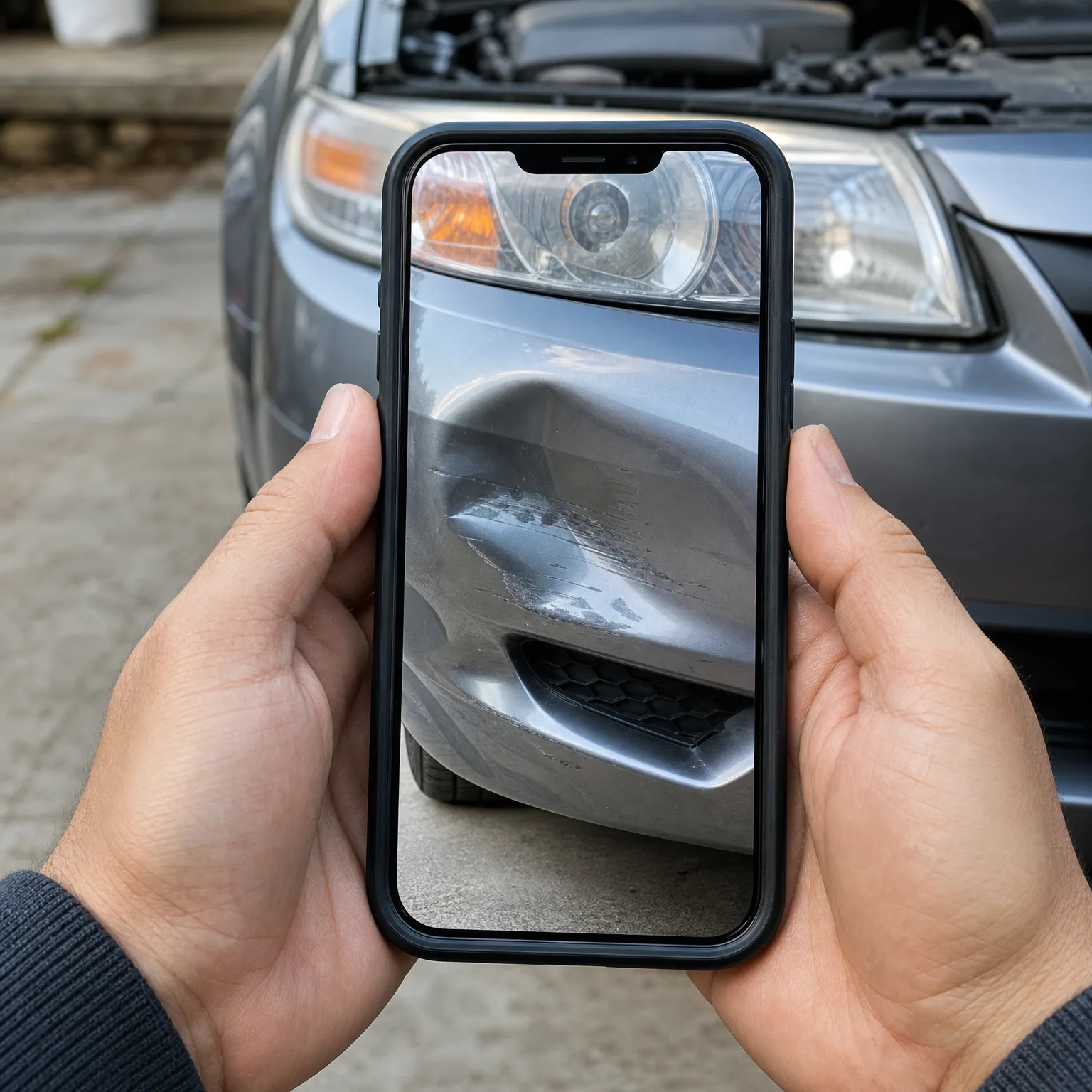
Say you back into a pole and damage your bumper. You file a claim, and the insurer sends an adjuster to estimate the repair cost. The shop quotes an amount for the full repair, and your policy has a set deductible. The insurer doesn't ask you to pay anything upfront or send them a check before they approve the work.
Instead, the insurer pays the shop directly for the repair cost minus your deductible. When you pick up your car, the shop asks you for that remaining amount, which is your deductible, paid directly to them. The insurance company never touches that money. If the damage had totaled your car instead, the math would have worked the same way in reverse, where the insurer calculates your payout and simply subtracts the deductible before cutting you a check.
What if I can't afford my deductible when a claim happens?
This is worth thinking through before you ever file a claim, not after. If paying your deductible would be a hardship, talk to the repair shop directly, since many will work out a payment plan or accept partial payment while repairs are completed, especially if they know an insurance check is already on its way for most of the cost.
You can also choose a lower deductible when you set up or renew your policy, which raises your premium but shrinks the amount you'd owe out of pocket at claim time. If a large unexpected bill is your real worry, it may be worth revisiting your deductible amount now, while nothing has happened, rather than during a stressful claim.
Now you know how your deductible gets paid, so compare quotes to find a deductible amount that fits your budget.

Choosing a higher deductible to lower your premium
If you do
Your premium payments drop, sometimes noticeably. In exchange, you're agreeing to cover more of the cost yourself if you ever file a claim. This works well if you have savings set aside and rarely file claims, but it stings if an accident happens when money is tight.
If you don't
You keep a lower deductible and a higher premium. Every claim costs you less out of pocket, which brings peace of mind if you'd struggle to cover a large unexpected expense. Over years without a claim, though, you'll have paid more in premium than you would have saved by raising it.

What actually happens to your deductible money
- Shop repairs The insurer pays the shop directly, and the shop collects your deductible from you separately. You never send the insurance company anything.
- Total loss payout The insurer subtracts your deductible from your car's value before cutting you a check. The number you receive is already net of it.
- Other driver at fault If their insurer pays your claim, you often don't pay a deductible at all. Check your policy and state rules, since this varies.
- Comprehensive claims Glass, theft, and weather claims work the same way as collision, with the deductible subtracted from the payout or settled with the vendor.
- Changing your deductible You can raise or lower it at renewal or anytime you call your insurer. Do this before a claim, not during one.