Do I Need Comprehensive and Collision if My Car Is Paid Off
Nobody requires it once the loan is gone, but whether you should keep it depends on your car's value and your own savings.
The requirement disappears, but the risk doesn't
Comprehensive and collision exist to protect whoever has money on the line in your car. When you have a loan or lease, that's the lender, so they require coverage to protect their asset. Once you own the car outright, there's no lender to answer to, and the choice becomes entirely yours.
That choice comes down to a simple comparison. These coverages only pay out up to your car's actual cash value, minus your deductible. If your car is old enough that it's worth very little, the most you could ever collect shrinks every year, while the premium you pay stays relatively steady. At some point you're paying real money for a payout that wouldn't cover much.
The other side of the comparison is your own financial cushion. If your car was totaled or stolen tomorrow, could you replace it, or at least get by without one, using cash you already have. If yes, dropping the coverage is a reasonable bet. If no, and losing the car would set you back in a way you can't absorb, the coverage is still doing its job regardless of the loan being paid off.
This plays out differently depending on the car. A newer car you paid cash for still holds real value, so the math usually favors keeping coverage for a while. An older car that's been paid off for years, worth a fraction of what you paid, is the classic case where dropping comprehensive and collision makes sense. Check your car's current value against what you're paying for these coverages before deciding either way.
The short version
You're not required to carry comprehensive and collision once your car is paid off. Keep it if your car still has real value or you couldn't afford to replace it yourself. Drop it if the car's worth little and you have savings to cover a loss. Check your car's actual value before deciding.
How do I find out what my car is actually worth before deciding?
Look up your car's private party or trade-in value using a standard valuation guide, searching your exact year, make, model, mileage and condition. This gives you a realistic number rather than a guess, and that number is the one you should compare against your annual premium for comprehensive and collision.
Once you have the value, do the math plainly. Take what you pay for both coverages over a year, and weigh that against the value minus your deductible, since that's the most you'd ever actually collect. If the premium is a large chunk of that potential payout, dropping coverage starts to look reasonable. If the value is still substantial compared to what you pay, keeping it usually still makes sense. Redo this check periodically, since value drops as the car ages, and the right answer for a newer car won't be the same as for one that's been on the road much longer.
Now that you know what to check, compare quotes to see what keeping or dropping this coverage would actually cost you.
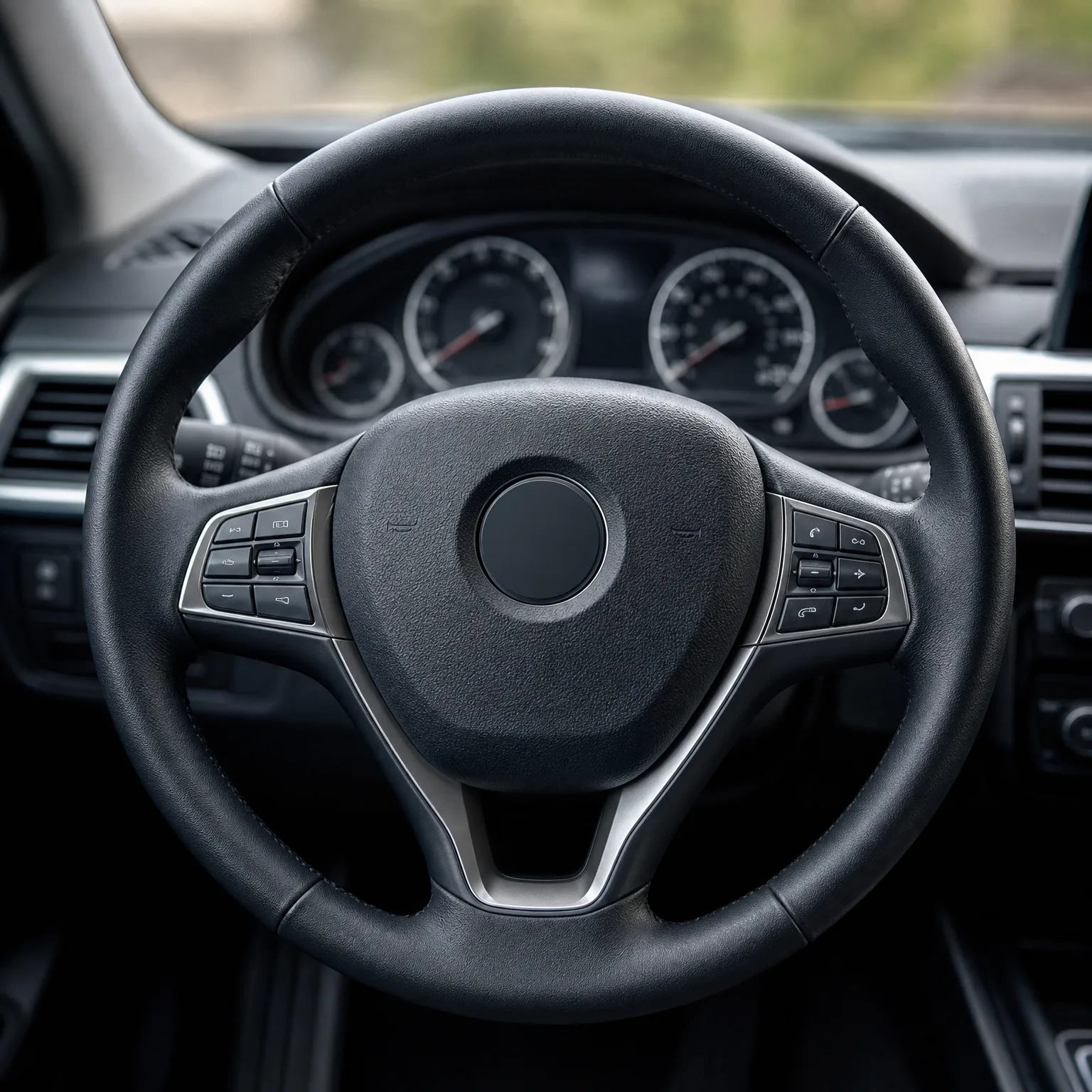
A paid-off commuter car reaching the point of diminishing returns
Picture a car bought new nine years ago, paid off for the last four years, used mainly for commuting. The owner had kept comprehensive and collision the whole time out of habit, never really questioning it since the payment came out automatically with the rest of the policy. One renewal, they noticed the premium had crept up again and decided to actually look at what they were paying for.
They looked up the car's current value and found it had dropped to a small fraction of the original price. They compared that number, minus the deductible, against what they'd pay annually for just those two coverages. The potential payout was barely more than a couple months of premiums. They also checked their savings and confirmed they could replace a basic commuter car in cash if needed. They dropped comprehensive and collision, keeping liability coverage in place, and redirected that premium elsewhere. They set a reminder to recheck the car's value down the road, knowing that if they ever upgraded to a newer vehicle, the calculation would start over from scratch.
Will dropping comprehensive and collision lower my rate a lot?
It depends on your car, your driving record, and your insurer, so there's no universal amount, but these two coverages are often a significant part of a full policy's cost. Ask your insurer for a side by side quote showing your premium with and without them, so you see the exact difference for your specific policy rather than a general estimate. The gap tends to be larger for newer or higher value cars and smaller for older ones, which ties back to how the payout potential shrinks with age.
What happens if I drop it and then get in an accident that's my fault?
Liability coverage would still pay for the other driver's damage and injuries, but nothing would pay to repair or replace your own car. You'd be covering that cost entirely out of pocket, whether that means paying for repairs directly or absorbing the loss of the vehicle. This is exactly the tradeoff to weigh before dropping coverage, since the decision only makes sense if you've confirmed you can actually handle that cost yourself without serious strain.
Should I keep comprehensive only and drop just collision?
Yes, this is a common middle ground worth checking with your insurer. Comprehensive covers things like theft, weather and animal strikes, and tends to cost less than collision, which covers crash damage. If you're more worried about a parking lot dent or hitting a deer than about an at-fault accident, splitting the two coverages instead of dropping both can lower your premium while keeping some protection in place.