Do I Get My Deductible Back if It Was Not My Fault
If the other driver was at fault, your insurer will usually work to get your deductible back for you.
Why the money comes back when fault sits elsewhere
When you file a claim after an accident, your insurer pays to fix your car first and uses your deductible to cover part of that cost up front. That's what the deductible is for. It lets repairs start right away instead of waiting on the other driver's insurer to agree to anything.
Once your insurer determines the other driver was at fault, it goes after that driver's insurance company to recover what it paid out, including your deductible. This process is called subrogation. If your insurer successfully collects from the other side, it returns your deductible to you because you shouldn't be the one paying for damage you didn't cause.
The timeline depends on how clear the fault is and how cooperative the other insurer is. A clean case with a police report and a cooperative other party can resolve in a matter of weeks. A disputed case, or one where the other driver is uninsured or underinsured, can take much longer or may not fully resolve at all.
If fault is shared between both drivers, your refund may only cover part of your deductible, matching the percentage the other driver was found responsible for. Check with your insurer about how your state handles shared fault, since that affects how much you'd get back.

The short version
If you weren't at fault, your insurer will usually recover your deductible from the other driver's insurance and send it back to you. This isn't automatic reimbursement, it depends on your insurer successfully collecting. Ask your claims adjuster for a subrogation update if it's been a few weeks with no word.
What determines whether you see that money again
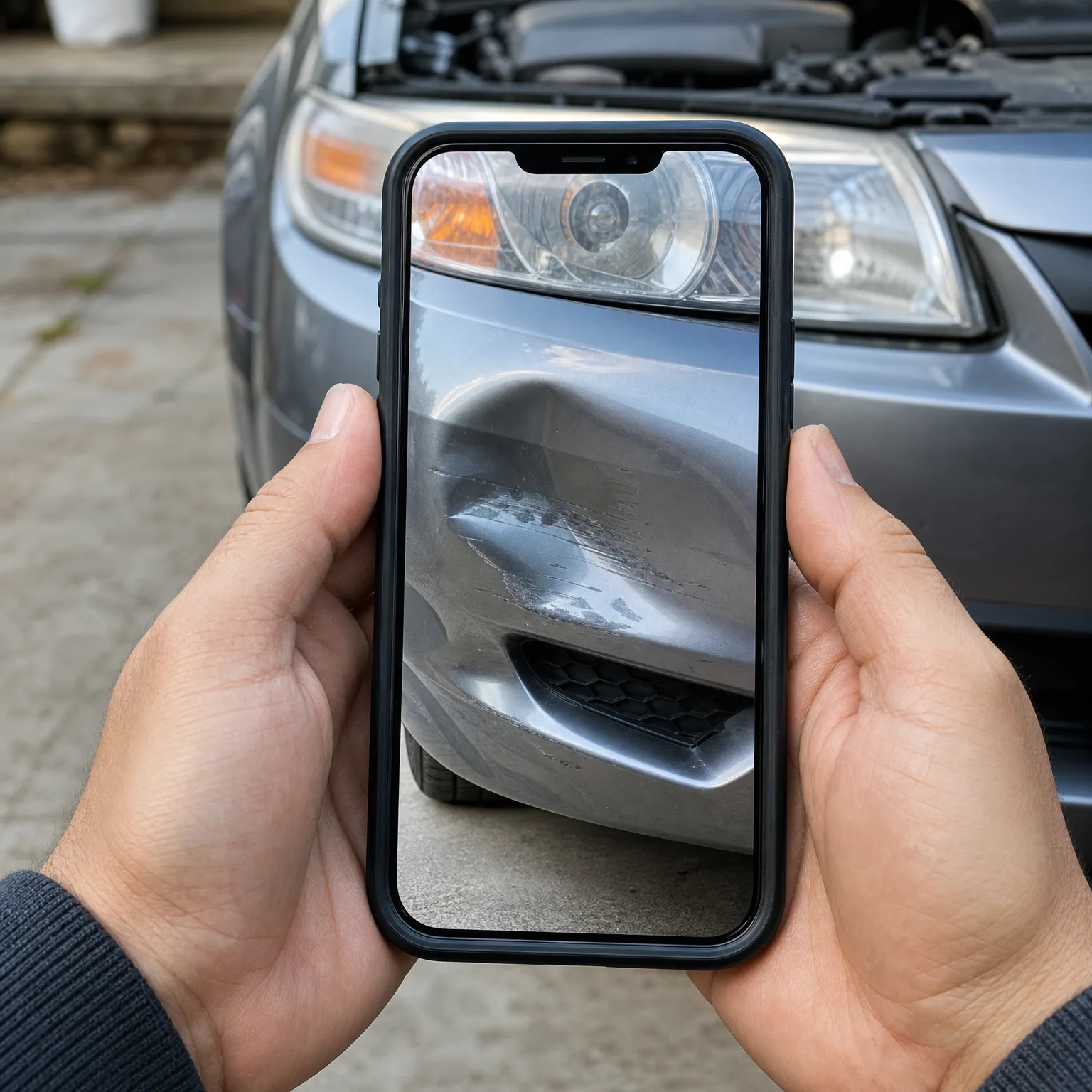
- Clear fault determination A police report or clear evidence naming the other driver at fault speeds everything up. Keep photos, witness info, and the report number handy when you file.
- Other driver's insurance status If the other driver is uninsured or underinsured, recovery gets harder or may not happen. Ask your adjuster early whether this applies to your case.
- Shared fault rules Some states reduce your refund if you're found partly at fault, even a small percentage. Ask your insurer how your state calculates this before assuming a full refund.
- Subrogation timing Recovery can take weeks or months depending on the other insurer's cooperation. Follow up with your adjuster every few weeks instead of waiting for them to call you.
- Uninsured motorist coverage If you have this coverage, it can sometimes get your deductible back faster without waiting on the other driver's insurer. Ask your agent if this applies to your situation.
Now that you understand how a not-at-fault deductible refund works, compare quotes to strengthen your coverage.
What if the other driver's insurance denies fault or refuses to pay?
This happens more than people expect, especially when there's no police report or the accounts conflict. Your insurer doesn't give up automatically. It can still pursue subrogation using evidence like photos, repair estimates, witness statements, or traffic camera footage if available.
If the other insurer keeps denying responsibility, your insurer may escalate the dispute or, in some cases, decide recovery isn't worth pursuing further. If that happens, your deductible may not come back. This is one reason uninsured or underinsured motorist coverage matters. It can step in and cover what the other driver's insurer refuses to, including getting you closer to whole without waiting on a drawn-out dispute. Ask your insurer directly what happens if the other side won't cooperate.

A rear-end collision with a clear police report
You're stopped at a red light and another car rear-ends you. The police arrive, write a report naming the other driver at fault, and you exchange insurance information. You file a claim with your own insurer because it's faster, and they pay for your repairs after you cover your deductible.
Your insurer then contacts the other driver's insurance company using the police report as evidence and opens a subrogation claim. Because fault is clear and documented, the other insurer accepts responsibility within a few weeks. Your insurer collects the full repair cost plus your deductible from them, then mails you a check for the deductible amount. The whole process takes about a month from the accident to the refund arriving.
How long does it take to get a deductible refund after an accident?
It typically takes anywhere from a few weeks to a few months, depending on how clear fault is and how quickly the other insurer responds. A straightforward case with a police report moves faster. A disputed case, or one involving an uninsured driver, can take much longer. Check in with your adjuster regularly rather than waiting for updates to come to you.
Do I need a police report to get my deductible back?
Not always, but it makes the process much smoother. A police report gives your insurer solid evidence for subrogation. Without one, your insurer relies on photos, witness statements, and the accounts from both drivers, which can slow things down or make the outcome less certain. If you're ever in an accident, calling the police and getting a report is worth doing.
What happens to my deductible if the other driver has no insurance?
If the other driver is uninsured, your insurer likely can't recover your deductible from them directly, since there's no policy to pursue. This is where uninsured motorist coverage matters, as it can help cover your costs instead. Check your policy to see if you carry this coverage and what it includes, since rules and availability vary by state.