Do Car Insurance Adjusters Try to Lowball
Most adjusters open with a number below what your claim is actually worth, and that's by design, not accident.
Here's how to spot and counter a lowball offer
- First offer is a starting point Treat the initial number as an opening move, not a final answer. Respond with your own documented figure instead of accepting right away.
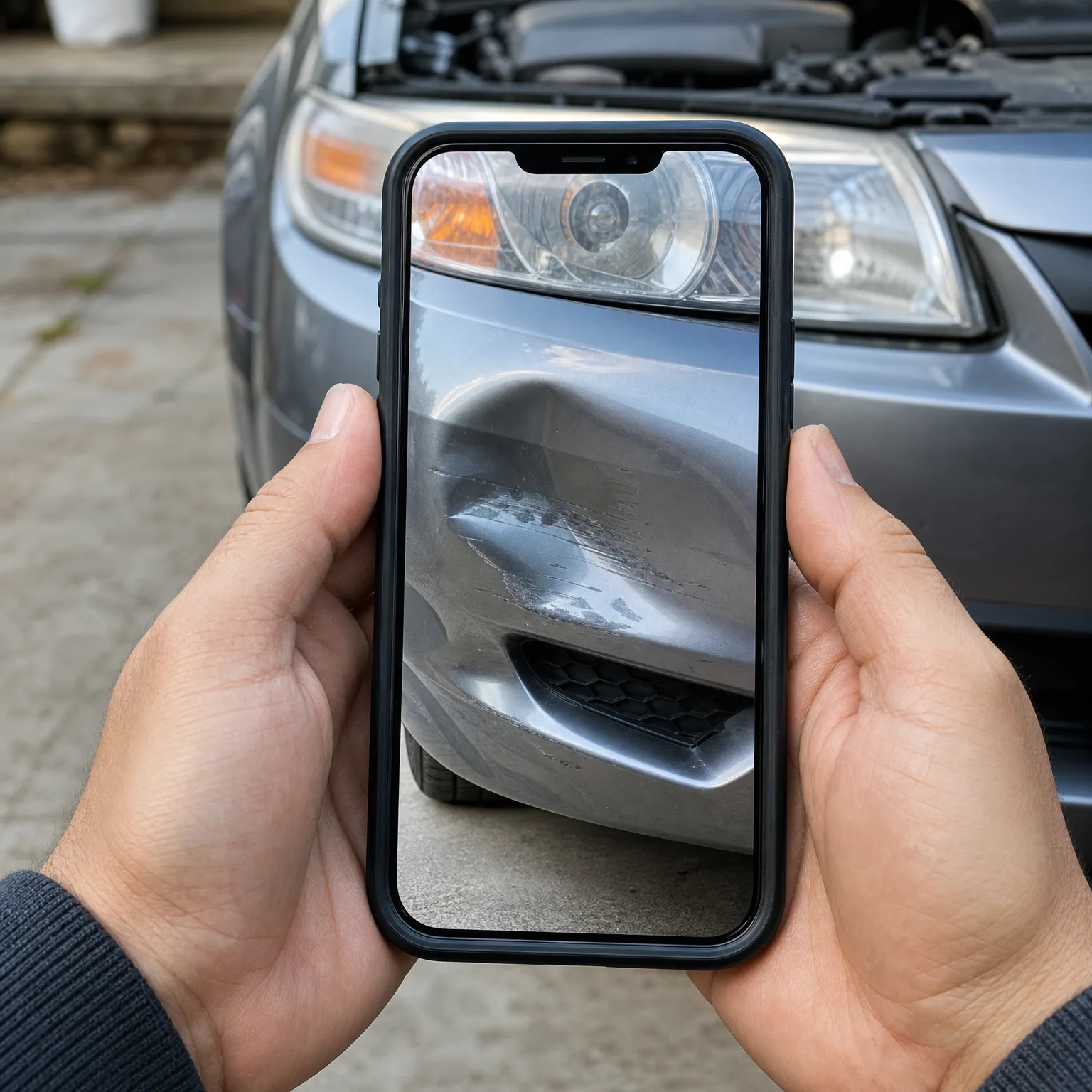
- Missing damage gets ignored Adjusters price what's visible and easy to prove. Get your own estimate from a shop so hidden damage and future problems are counted too.
- Medical costs get rushed Early offers often come before you know the full extent of an injury. Wait until treatment is finished before you settle on a medical claim.
- Your paperwork sets the ceiling Adjusters can't pay for what you didn't document. Keep records, photos, and receipts organized so your number is hard to argue with.
- Silence favors the insurer If you don't respond or negotiate, the first offer often becomes the final one. Always reply in writing, even just to say you're reviewing it.
A rear-end claim that almost closed too early
A driver was rear-ended at a stoplight and filed a claim the same week. The other driver's insurer called within days and offered a number that covered the bumper repair but nothing else. The driver almost accepted, since the offer sounded reasonable and she wanted the claim finished.
Instead she waited until her neck pain was fully evaluated by a doctor, which took a few more weeks. She gathered the repair estimate, the medical notes, and a record of missed work, then sent all of it back with a counter number. The adjuster came back closer to her figure once the documentation was in front of them. The delay cost her patience, but the final settlement covered costs the first offer never would have touched.

Knowing how to push back on a low offer, compare quotes to find coverage that backs you up if you ever file one.

Should you accept the first offer you're given
If you do
You get paid faster and the claim closes right away. But if medical costs or repair needs grow later, you likely can't reopen the claim. You're locked into that number even if your actual costs end up higher.
If you don't
You can gather more documentation, wait for a full medical picture, and negotiate a higher number. It takes longer and requires more effort on your part, but it usually results in a settlement that actually covers your costs.
How do I know if a settlement offer is too low?
Compare it against your actual costs, not your gut feeling. Add up repair estimates, medical bills, lost wages, and any ongoing treatment, then see if the offer covers all of it. If it only covers part, or ignores an item entirely, it's likely too low. Check your state's rules on what a claim is required to include, since that varies. Get a second repair estimate if the first one seems incomplete.
Can I negotiate with a car insurance adjuster?
Yes, and you're expected to. Adjusters anticipate a counter, so sending one back with documentation is normal and often effective. State your number, back it with evidence like repair quotes or medical records, and ask for a written response. If the adjuster won't move at all despite solid documentation, that's a sign to get outside help, such as a state insurance department or an attorney.
Should I get a lawyer before accepting a settlement?
It depends on how serious the claim is. For minor property damage with a straightforward offer, a lawyer usually isn't necessary. For significant injuries, long recovery times, or an adjuster who won't budge despite good documentation, a lawyer can often get a better result than you would alone. Many work on contingency, so ask about cost structure before deciding either way.

The first number is a starting offer, not a verdict, so treating it as final is the costliest mistake.