Can You File Two Claims for the Same Accident
Yes, two claims for one accident is normal, because different policies cover different parts of the damage.
Each policy only pays for its own piece of the accident
An accident isn't one single event to an insurer, it's a set of costs, and different coverages are built to pay different pieces of those costs. Your own policy might cover your car through collision coverage while the other driver's policy covers their car through liability. If you also have a passenger hurt, or your car is in a shop and you need a rental, those can trigger separate claims too, sometimes with the same insurer and sometimes not.
The reason this feels confusing is that you're used to thinking of "the accident" as one thing to resolve. Insurers don't see it that way. They see contracts, and each contract only responds to what it promises to cover. Filing a claim with your own insurer for your damage and a claim with the other driver's insurer for liability isn't double dipping, it's just using each policy for what it's meant to do.
Where this gets more complicated is when both drivers have some fault. In that case you may end up filing with your own insurer first, then your insurer seeks reimbursement from the other driver's insurer later. That process is called subrogation, and it happens behind the scenes. You usually don't have to manage it yourself, but it explains why your premium might not move even if you weren't fully at fault.
What varies by state is how fault and payment responsibility get split when both drivers share blame. Some states reduce what you can recover based on your percentage of fault, others block you from recovering anything past a certain threshold. Check how your state handles shared fault before you assume you know who pays what.
Will filing two claims make my insurance rate go up more than one would?
Not necessarily, and it depends on who was at fault and which policies paid out. If the accident wasn't your fault and the other driver's insurer pays for your damage, that claim typically doesn't raise your rate, since it's not a claim against your own policy's payout history in the same way.
If you file against your own collision coverage because the other driver is uninsured or fault is unclear, that claim is tied to your policy and can affect your rate, regardless of how many other claims exist around the same accident. The number of claims matters less than whose policy actually paid and why. Ask your insurer directly how they classify fault-based claims before you decide how to file.

Deciding whether to file against your own policy too
If you do
You get your car repaired faster and don't wait on the other insurer to accept fault. Your insurer handles the back and forth through subrogation. You may pay your deductible upfront, then get it refunded later if the other driver is found fully at fault.
If you don't
You wait on the other driver's insurer to investigate and approve payment, which can take longer, especially if fault is disputed. You avoid paying a deductible upfront, but your repairs and rental situation stay in limbo until their claim decision is final.
Now that you know how two claims work together, compare quotes to see how insurers price this accident.

A rear-end accident with damage on both sides
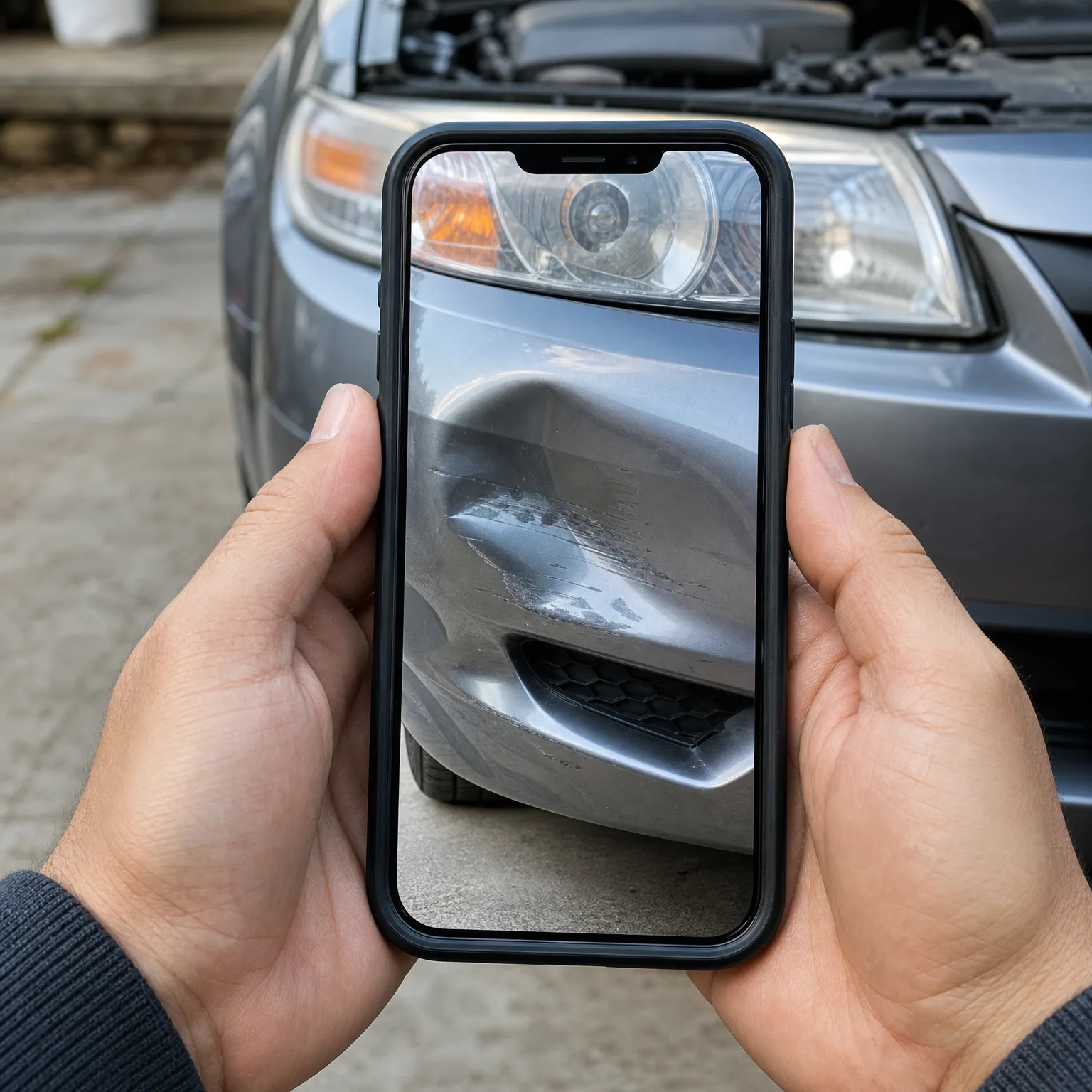
You're stopped at a light and the driver behind you doesn't stop in time. Their bumper hits your trunk, but the impact also pushes your car into the one in front of you, damaging your front end too. You file a claim with the rear driver's insurer for the damage to your trunk, since they're liable for hitting you. For the front-end damage, you file a second claim, this time using your own collision coverage, since the driver in front of you did nothing wrong and isn't liable for damage caused by being pushed into.
Your insurer pays for the front-end repair and then pursues the rear driver's insurer to recover that cost, since the chain of fault traces back to them. You end up with one repair shop handling both repairs, paid through two separate claims, and once the subrogation process finishes, your deductible gets refunded. The whole thing took a few extra weeks compared to a single-claim accident, but you weren't out any extra money once it resolved.

Can I file a claim with my own insurer and the other driver's insurer at the same time?
Yes, you can open both claims around the same time if your damage involves costs each policy is meant to cover separately. Doing so doesn't double your payout, insurers coordinate so you're not paid twice for the same damage. Check with each insurer about what documentation they need, since they'll often request the same accident report and photos.
Does filing against the other driver's insurance count as a claim on my record?
Usually not, since it's not a claim against your own policy and isn't typically counted in your claims history the same way. Some insurers still log that you were involved in an accident even if you didn't file against your own coverage. Ask your insurer directly how they record accidents where another insurer paid.
What happens if the other driver's insurer denies the claim?
You can then file against your own policy, usually through collision or uninsured motorist coverage depending on why the claim was denied. Check your policy for which coverage applies, since the right one depends on whether the denial was about fault, coverage limits or the other driver lacking insurance entirely. This can shift your cost and rate impact.