Can You Cancel Your Car Insurance Mid-Term
Yes, you can cancel your car insurance mid-term, and in most cases it's simple once you have a new policy lined up.
Insurance is paid for time you haven't used, so you can stop anytime
A car insurance policy isn't a contract that locks you in like a lease. You're paying in advance for coverage over a set term, and the insurer owes you back whatever portion of that term you don't end up using. That's why cancellation mid-term is normal and expected. Insurers build their whole system around people starting and stopping coverage whenever their situation changes.
What varies is how the refund gets calculated and whether there's a fee attached. Some insurers prorate cleanly, giving you back exactly the unused portion. Others apply a short rate, which is a penalty calculation that gives you back less than a straight proration would. Whether your insurer does one or the other depends on your state and your specific policy, so it's worth asking before you cancel rather than assuming.
The other thing underneath this is how the request has to be made. Insurers want cancellation in writing or through a clear verbal confirmation, with a specific effective date, because coverage and liability are tied to exact moments in time. If you just stop paying and assume that counts as canceling, you can end up with a lapse on your record instead of a clean cancellation, and those look very different to future insurers.
Where this plays out differently is when you're financing or leasing the car. Lenders usually require continuous coverage as a condition of the loan, so canceling without replacing it can trigger a default or force-placed insurance that the lender adds on your behalf, usually at a worse rate than anything you'd choose yourself.
Will canceling mid-term hurt my insurance history or future rates?
Canceling itself doesn't hurt you. What hurts you is a lapse, meaning a stretch of time with no coverage at all between policies. Insurers look at continuous coverage history when pricing a new policy, and a gap signals risk to them even if nothing happened during it.
If you cancel one policy the same day a new one starts, there's no gap and nothing shows up as a problem. The sequence matters more than the act of canceling. So the safe order is always to get the new policy confirmed and active first, then cancel the old one effective that same date. That way your coverage history reads as continuous even though you switched companies.

Lining up the new policy before you cancel the old one
If you do
Your new policy starts the same day the old one ends, so there's no gap in coverage. Your coverage history stays continuous, which keeps future rates clean. You get whatever refund you're owed from the old insurer without any scramble or lapse risk in between.
If you don't
If you cancel first and shop after, you risk even a short gap with no coverage, which is illegal to drive through and shows up on your record. Future insurers may treat that gap as a red flag and price you higher, even if you were only uninsured for a few days.
Once your new policy's start date is confirmed, you can compare quotes and switch with no gap in coverage.
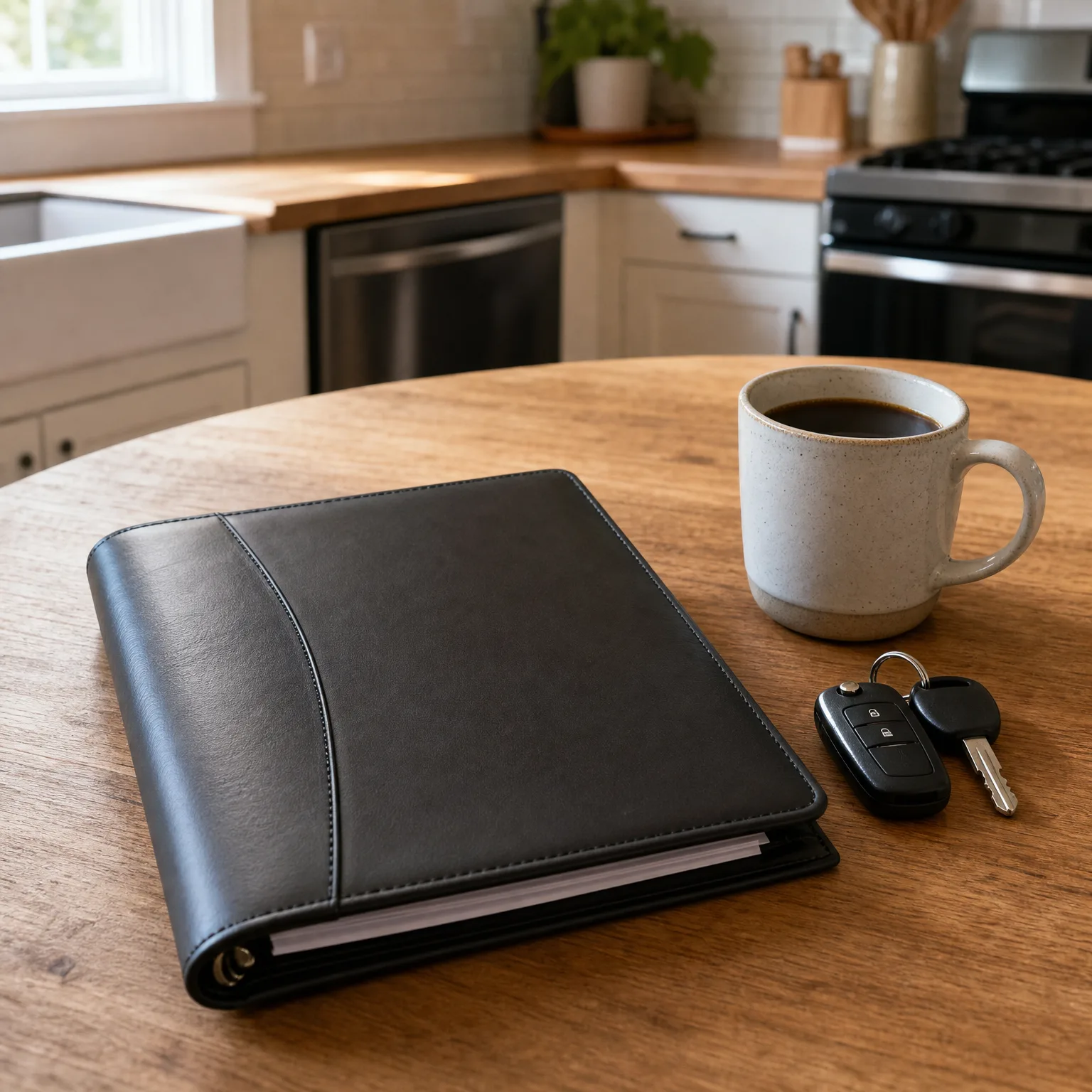
What to confirm before you cancel
- Effective date Give your insurer an exact date and time, not just a general request to stop coverage. This is what prevents a gap or an overlap you didn't intend.
- Refund method Ask whether you'll get a prorated refund or a short rate penalty. This affects how much comes back to you and whether canceling now costs more than waiting.
- Lender requirements If the car is financed or leased, check what continuous coverage your lender requires. Canceling without a replacement in place can trigger a forced policy at a worse rate.
- New policy confirmation Get written confirmation that your new policy is active before you cancel the old one. This is the single step that protects your coverage history.
- Proof of cancellation Keep the cancellation confirmation from your old insurer. If any billing or lapse dispute comes up later, this is what you'll need to show.

Switching insurers after a rate increase
Someone gets a renewal notice from their current insurer showing a higher rate than expected. They shop around and find a better rate elsewhere, with coverage that matches what they already have. Instead of canceling the old policy right away, they ask the new insurer for a specific start date and get written confirmation that the new policy will be active starting that morning.
They then call their current insurer and cancel effective that same date, specifying the exact time so there's no overlap or gap. The old insurer calculates a prorated refund for the unused weeks left on the policy and sends it a few days later. Because the new policy was already confirmed before the old one ended, there's no lapse on record, and when they check their coverage history later it shows as continuous. The whole process took one phone call to each company.
Do I get money back if I cancel my car insurance early?
In most cases yes, because you prepaid for coverage you won't fully use. Whether it's a clean prorated refund or a smaller amount after a short rate penalty depends on your insurer and your state, so ask directly before canceling. Check your policy documents or call and ask how your specific cancellation would be calculated, since this changes whether canceling now or waiting until renewal makes more financial sense.
What happens if I cancel car insurance without a new policy lined up?
You'll have a period with no coverage at all, which is illegal to drive through in places that require insurance and risky even where it isn't required. That gap can also show up on your coverage history when you apply for a new policy later, sometimes leading to a higher rate. If you must cancel before you have a replacement, at minimum don't drive the car until new coverage starts.
Can my lender stop me from canceling car insurance on a financed car?
They can't stop the cancellation itself, but your loan agreement likely requires continuous coverage meeting certain terms, and violating that can technically put you in default. In practice, lenders usually respond by adding force-placed insurance on your behalf rather than calling the loan, and that coverage is typically more expensive and less protective than a policy you choose yourself. Check your loan terms directly to see what's required.