Can Spouses Drive Each Others Cars
Yes, your spouse can almost always drive your car, because insurance covers the vehicle and its expected household drivers.
Insurance follows the car, and a spouse counts as an expected driver
Car insurance is attached to the vehicle first. When you insure a car, that policy covers the car for any driver you'd reasonably expect to use it, and a spouse living in your home is the clearest example of that. This is why married couples don't usually need special permission slips or extra paperwork just to borrow each other's cars.
What actually matters to the insurer is who lives with you and who regularly drives the car, not just whose name sits on the title or the policy. Most insurers expect you to list every licensed driver in your household, spouse included, even if that person has their own separate policy on their own car. This is less about permission and more about accuracy, since the insurer is pricing risk for the whole household, not one person in isolation.
Where this gets complicated is when a spouse isn't listed on the policy at all, or when they drive the car often enough that it looks like regular use rather than occasional borrowing. If an insurer later finds out an unlisted spouse was a frequent driver, they can question coverage after a claim, even if they wouldn't have minded before the accident. That's the real risk, not the driving itself but the gap between what the policy says and what's actually happening at home.
State rules and individual insurer policies shape the details here, so what counts as 'regular use' versus 'occasional' can differ. Check your specific policy's language on household drivers and listed operators, since that's where exceptions live.
One spouse has a clean record, the other has a recent accident
A newly married couple each came in with their own car and their own policy. One had a spotless driving history, the other had an at-fault accident from the year before. They weren't sure if combining policies would drag the clean driver's rate up, or if keeping things separate would protect it. So they asked each insurer directly whether listing the spouse as a household driver, even without combining policies, would make a difference. It turned out it would be counted either way, since both insurers wanted to know who lived in the home and could drive either car.
They ended up requesting quotes both ways, as a combined household policy and as two separate ones with each spouse listed on the other's policy. The combined option came out lower overall, partly because multi car households often get treated as lower risk per vehicle, even with one driver carrying a worse record. They went with the combined policy, kept both cars titled in their individual names since nothing required changing that, and revisited the decision after a year once the accident was further in the past.
Does my spouse need to be added to my policy to legally drive my car?
Not necessarily, but leaving them off isn't risk free. In most cases, a spouse driving your car occasionally is still covered because the policy protects the vehicle and reasonably expected drivers, which includes a spouse in your household. The coverage doesn't disappear just because their name isn't printed on the declarations page.
The real question insurers care about is whether your spouse is a regular driver of that car or just an occasional one. If they drive it often, commute in it, or treat it as their primary vehicle, insurers generally expect them listed, and not listing them can create problems if a claim ever gets reviewed closely. If it's occasional, borrowing it for errands or trips, most policies handle that without any changes needed. When in doubt, ask your insurer directly what counts as regular use under your specific policy.
Now that you know how your spouse is covered, compare quotes to see whether combining your policies saves you money.

Listing your spouse as a household driver versus leaving them off
If you do
Your insurer prices the policy accurately for who actually drives the car. If your spouse is in an accident, there's no question about whether they were covered. You may see your rate shift once, reflecting both records honestly, but claims afterward go smoothly without the insurer questioning who was behind the wheel.
If you don't
Occasional driving is usually still covered, so nothing changes day to day. But if your spouse becomes a regular driver and the insurer later discovers it, especially after a claim, they can investigate and potentially delay or dispute payment, treating the omission as a misrepresentation of who uses the car.
What actually decides whether you should combine policies
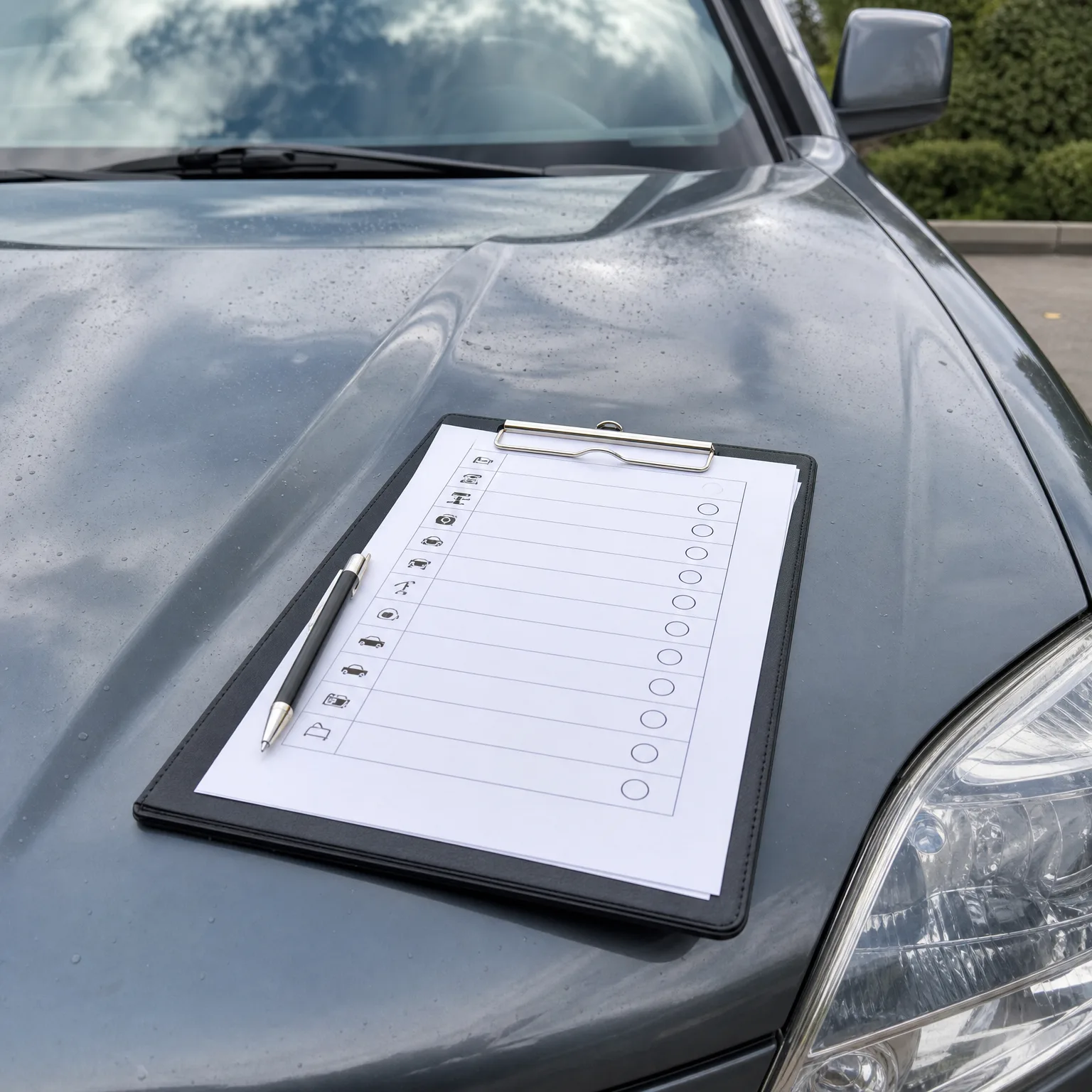
- Household driver status Insurers want every regular driver in your home listed, married or not. Tell your insurer about your spouse even if you keep separate policies for now.
- One partner's driving record A worse record can raise the combined rate, but multi car discounts sometimes offset that. Get quotes both ways before assuming combining will cost more.
- Titles stay separate Combining insurance doesn't require combining car titles or ownership. Only change title names if you actually want joint ownership, not because insurance asks for it.
- Timing after the wedding There's no deadline tied to the wedding date itself, but insurers want current household information. Update your policy once you've settled where you're living and which cars you're keeping.
- Disclosure applies either way Keeping two policies doesn't mean you can leave your spouse off each other's paperwork. List each other as household drivers regardless of which policy structure you choose.
Will adding my spouse to my policy raise my rate if they have a bad driving record?
It might raise it somewhat, but not always as much as people expect. Insurers blend household risk across multiple vehicles, and discounts for insuring more than one car can offset part of the increase from a worse record. The only way to know is to request quotes with your spouse listed and compare them to your current rate, since the outcome depends heavily on the specific insurer's pricing approach and your state's rules.
Do we need to change car titles after getting married?
No, marriage doesn't require retitling your cars. Titles reflect ownership, and insurance reflects risk and household drivers, so the two are separate questions entirely. Some couples choose to add a spouse to a title for estate planning or joint ownership reasons, but that's a personal financial decision, not an insurance requirement. Check with your state's motor vehicle agency if you're considering retitling, since the process and any fees vary by state.
What happens if my spouse drives my car without being listed and gets in an accident?
In most cases coverage still applies, since the policy follows the car and a spouse is typically an expected household driver. But if your spouse drove that car regularly and was never disclosed, the insurer may review the claim more closely and could question why they weren't listed. The safest approach is disclosing your spouse as a household driver regardless of how often they actually drive the car, so there's no ambiguity if a claim happens.