Can My Wife Use My Insurance Card
Yes, she can use your card to drive your car if she's a listed driver or has your permission and the policy allows occasional drivers.
She borrows your car for a week while her own is in the shop
Her car needed brake work, so she drove yours to work every day for about ten days. She wasn't listed on your policy, so you called your insurer first to ask whether that mattered. The agent explained that occasional use by a spouse is normally covered under permissive use, since she lives in your household and you gave her permission to drive.
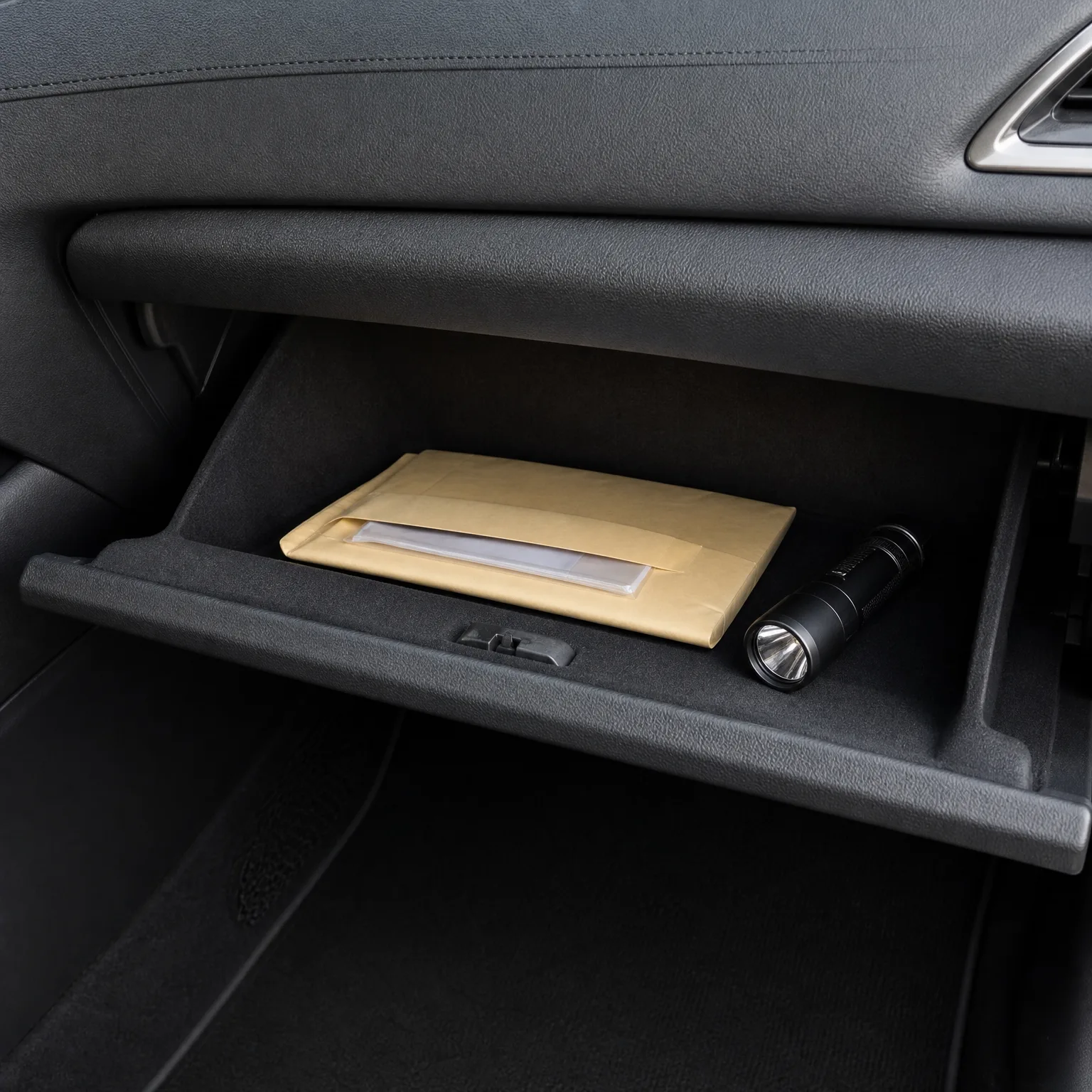
You kept a photo of the insurance card in your phone just in case, and she carried the physical one in the glove box. Nothing happened during that week, but you both felt better knowing coverage would have applied if she'd been stopped or been in an accident. When her car came back from the shop, you mentioned to your insurer that she drives occasionally now, and they added her as a listed driver so there was no question going forward.
Does she need her own policy if she drives my car sometimes?
Not necessarily, but it depends on how often and how regularly she drives it. If it's occasional, like borrowing your car for a day or a week, permissive use usually covers her under your existing policy without her needing her own.
If she drives your car regularly, several days a week or more, most insurers expect her to be listed on your policy as a driver, even if she doesn't own the car. This isn't about a separate policy for her, it's about your insurer knowing who regularly drives the car they're insuring. Call your insurer and describe how often she actually drives it, then let them tell you whether listing her is required or just smart to have on record.

Should you tell your insurer she drives your car
If you do
Your insurer updates the policy to reflect reality, so if she's ever in an accident there's no question about coverage. They may ask a few questions about her driving history, but this protects both of you and avoids disputes later when a claim is filed.
If you don't
If she only drives occasionally, nothing changes and you're still covered. But if she starts driving regularly and you never mentioned it, your insurer could question the claim later, arguing the policy didn't reflect who was actually driving the car.
Now that you know how she's covered, compare quotes to see what adding her as a listed driver would cost.

What to check before she drives your car regularly
- Permissive use basics Most policies cover anyone you give permission to drive your car occasionally. Confirm this is true for your specific policy, since a few insurers limit permissive use more than others.
- Listed versus occasional driver If she drives your car often, insurers usually want her listed by name. Call and describe her actual driving pattern so they can tell you what's required.
- Household member rules Some insurers treat anyone living in your home differently than an outside friend borrowing your car. Ask whether being married changes what they expect you to disclose.
- Her own driving record If she has tickets or accidents, listing her could affect your premium. Ask your insurer directly what listing her would change before you decide.
- What the card actually proves The insurance card shows the car is insured, not who's allowed to drive it. Keep a copy accessible for her, but understand coverage depends on permission and policy terms, not just having the card.
The card doesn't decide who's covered. Who drives the car, how often, and whether you told your insurer does.