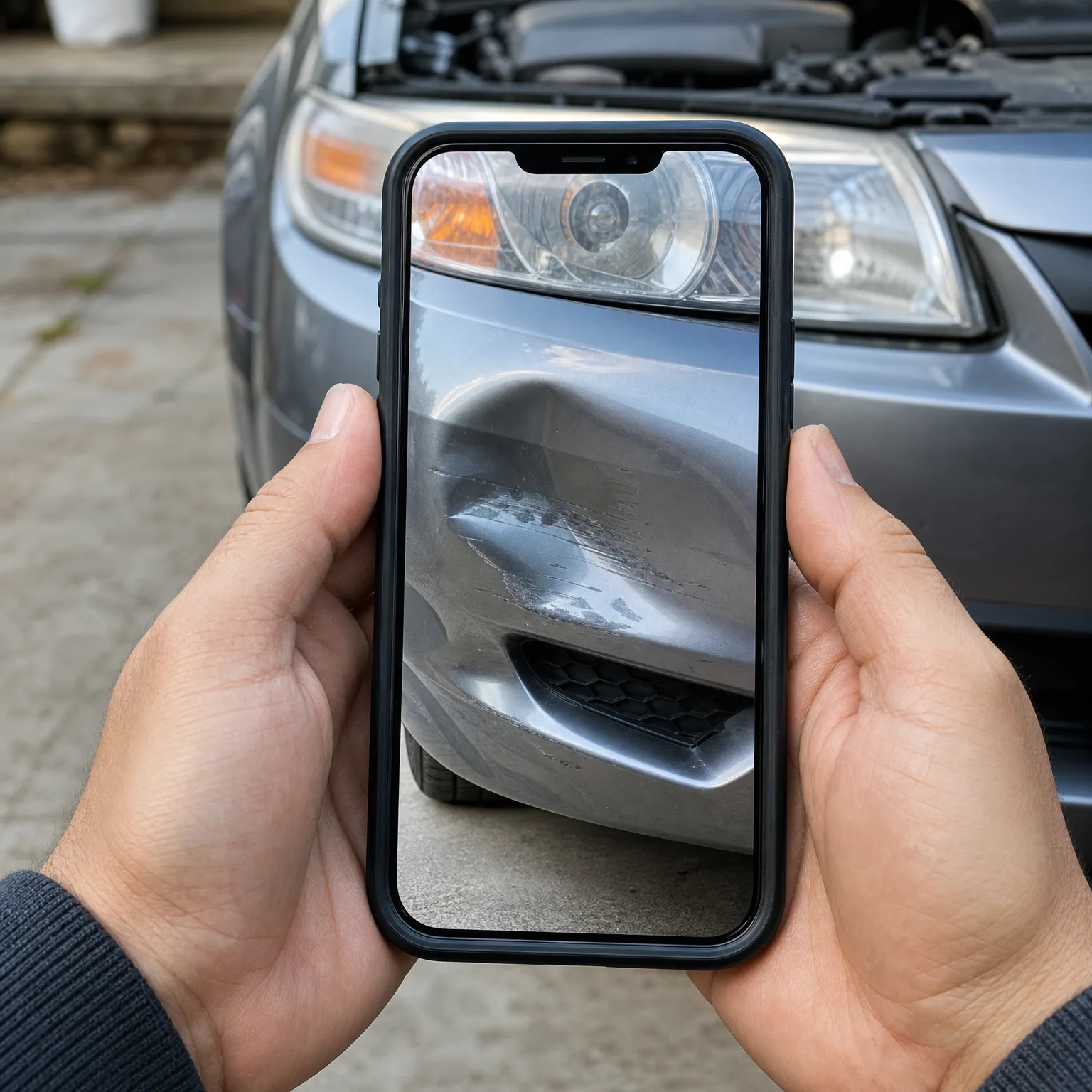
Can I Change My Deductible After an Accident
You can change your deductible anytime, but if you change it before the claim settles, the old deductible still applies to that accident.
Your deductible on the day of the accident is the one that counts
Insurers lock in the deductible that was active when the accident happened, not the one on your policy today. This matters because people sometimes try to lower their deductible right after a crash hoping to pay less out of pocket. It doesn't work that way. The claim is tied to the terms in place at the moment of loss, so changing the number afterward doesn't reach back and rewrite what you owe.
What you can change is what happens going forward, starting with your next renewal or the next billing cycle, depending on your insurer. If you want a lower deductible for future protection, you can request that now and it will apply to any accident after the change takes effect. If you want a higher deductible to lower your premium, that also starts fresh from the point you make the switch.
There's a timing nuance insurers handle differently. Some apply deductible changes immediately upon approval, others wait until the next renewal date to avoid people gaming the system around an open claim. Call your insurer directly and ask when a change would take effect, because this varies by company and sometimes by state rules around mid term policy changes.
One more thing worth knowing. If you're mid claim and raise your deductible to lower your premium, make sure the claim is fully processed first. Otherwise you risk confusion over which deductible applies, and you want that settled before any new terms kick in.

What to check before you touch your deductible
- Claim status first Confirm your current accident claim is fully settled before changing anything. A change made mid claim can create confusion about which deductible applies to your payout.
- Effective date matters Ask your insurer exactly when a deductible change takes effect. Some apply it right away, others wait until renewal, and this changes your timeline for savings or risk.
- Premium tradeoff A higher deductible lowers your premium but raises what you pay if you're in another accident. Only raise it if you have the savings on hand to cover the gap.
- State rules vary Some states restrict mid term policy changes or require insurer approval. Check with your insurer or state insurance department before assuming you can switch anytime.
- Rate impact separate Changing your deductible doesn't affect how the accident impacts your rate at renewal. Those are two separate things your insurer calculates independently.

Once you know how this accident affects your rate, compare quotes to see if switching insurers helps more.
Will raising my deductible now undo the rate increase from this accident?
No, these are two separate calculations. Your insurer raises your premium based on the accident itself, factoring in fault, severity, and your claims history. Your deductible is a separate lever that affects how much you pay out of pocket on a future claim, not how this accident is priced.
Raising your deductible can lower your premium a bit, which might offset some of the increase, but it doesn't erase it. The accident surcharge is based on risk the insurer now assigns to you, and a higher deductible doesn't change that risk assessment. If the increase feels too steep, your better move is comparing quotes from other insurers who may weigh this accident differently, rather than relying on deductible changes alone.
Lowering a deductible after a fender bender that already settled
Maria was rear ended at a stoplight and filed a claim. The repair cost came in above her five hundred dollar deductible, so her insurer paid the difference and closed the claim within three weeks. A month later she got a renewal notice showing a rate increase tied to the accident, even though she wasn't at fault for the collision itself under her state's rules.
She called her insurer and asked about lowering her deductible going forward, thinking it might help with upcoming expenses. They confirmed the claim was fully settled, so there was no conflict, and the new deductible would apply starting the next billing cycle. She also asked directly whether a lower deductible would reduce her renewal increase, and they explained it wouldn't, since the increase was based on the accident itself. She ended up keeping her deductible as is and instead shopped quotes from two other insurers, which turned out to matter more for her final price than any deductible adjustment would have.
Does changing my deductible affect an open claim payout?
No, the deductible active on the day of the accident applies to that claim regardless of changes you make afterward. Insurers lock in terms at the moment of loss. If you're unsure whether your claim is still open, ask your adjuster directly before requesting any policy changes, since some insurers won't process a deductible change until the claim closes.
How much does raising my deductible lower my premium?
It varies by insurer, your driving history, and your state, so there's no universal number to expect. The discount is usually modest rather than dramatic. Ask your insurer for a side by side quote at your current deductible and at a higher one so you can see the actual dollar difference before deciding, rather than assuming it will be significant.
Can my insurer refuse to change my deductible after a claim?
Yes, some insurers restrict changes while a claim is active to prevent manipulation of the payout. This is a company policy that varies, not a universal law, though some states also have rules about mid term changes. Ask your insurer directly what their waiting period is, and if it bothers you, this is worth factoring into whether you stay with them long term.