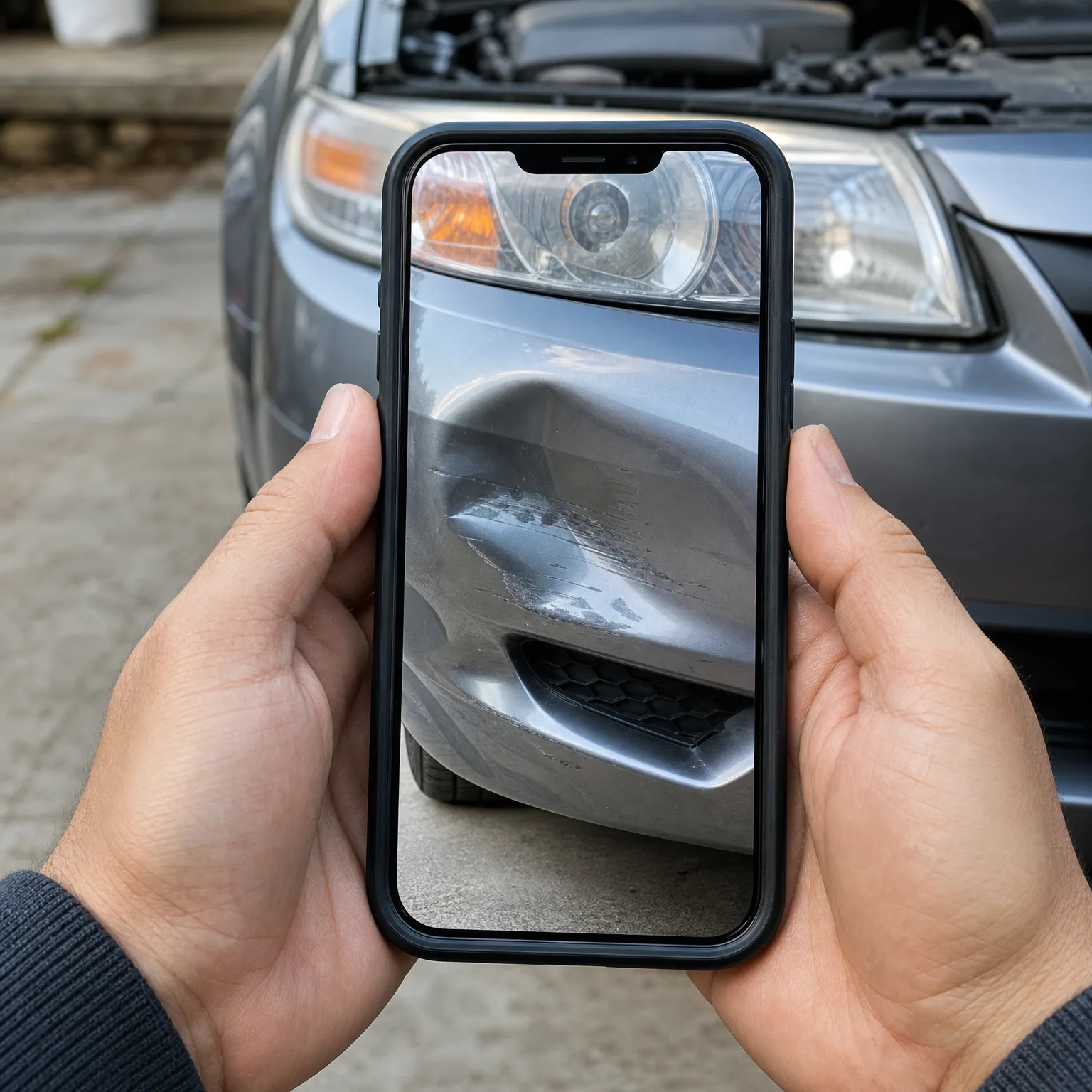
Can I Cancel My Car Insurance Effective Immediately
Yes, most insurers will cancel your policy the same day you ask, as long as the new policy is already active.
Why same day cancellation works but needs a sequence
Insurers let you cancel whenever you want because the policy belongs to you, not to them. There is no contract term forcing you to keep paying once you no longer want the coverage. The part that trips people up isn't whether you can cancel immediately, it's what order you do things in when you're also combining policies with a new spouse.
The risk is a gap. If you cancel your old policy before the new joint policy starts, even for a few hours, you are driving uninsured during that window. States and lenders care about continuous coverage, and a lapse can show up on your record even if nothing happened while you were uninsured. So the safe sequence is to get the new combined policy active first, confirm the start date and time, and only then cancel the old one effective that same date.
Who should do the cancelling also matters. If the policy is in one person's name, that person usually has to be the one to call and request the cancellation, even if the household is merging. Some insurers will accept a written request from a spouse once the new joint policy is proven, but don't assume that without asking. Check what your specific insurer requires, since this varies.
There are cases where immediate cancellation works differently. If you financed the car and the lender requires proof of continuous coverage, the lender may need to see the new policy before releasing the old one. And if you're canceling mid term rather than at renewal, ask whether you get a refund for unused days or whether there's a cancellation fee. Both vary by insurer and by state, so check your policy documents or ask directly.

The short version
Yes, you can cancel immediately, and insurers will honor that request the same day. The one thing to get right is sequencing, start the new combined policy first, then cancel the old one effective that same date so there's no gap. Call your old insurer once the new policy is confirmed active.
A newlywed couple merging two policies without a lapse
One partner had a clean record and a policy through one insurer. The other had a minor at fault accident from two years back and a separate policy through a different insurer. After the wedding they wanted one joint policy, partly for convenience and partly because they'd heard it might lower the overall cost. They got quotes for a combined policy first, before touching either existing policy, so they could see the new start date in writing.
Once the joint policy was confirmed and active, they called each old insurer the same day and canceled both effective that date. One insurer processed it over the phone immediately, the other required a short cancellation form sent by email. They asked about refunds for unused premium and got a partial credit back on one policy, none on the other since it was close to renewal anyway. No gap in coverage showed up on either record, and the accident on one partner's history did factor into the new combined rate, but the full picture ended up better than keeping two separate policies.
Now that you know how to cancel without a gap, compare joint policy quotes to see what combining actually costs.

What to confirm before you cancel
- New policy start date Get written confirmation of exactly when the new joint policy becomes active. Cancel the old one effective that same date, not before.
- Who can request cancellation Check whether the policyholder alone can cancel or whether a spouse can do it once the new policy is proven. This varies by insurer.
- Refund for unused days Ask whether you get money back for the time left on the old policy. Some insurers prorate refunds, others charge a short fee instead.
- Lender or lienholder notice If the car is financed, the lender may need proof of the new policy before the old one is dropped. Confirm this before canceling.
- Title changes are separate Canceling insurance doesn't touch the title. Handle any name change on the title through your state's motor vehicle agency on its own timeline.

The question isn't whether you can cancel today, it's whether the new policy is already running when you do.