Can I Be the Main Driver on a Car Owned by Someone Else
Yes, you can be the main driver on a car you don't own, as long as the policy lists you as the primary driver and the owner stays on it too.
What has to line up for this to work cleanly
- Insurable interest The owner needs to be on the policy because they legally own the car, even if you drive it most. Talk to the insurer about listing both of you, owner and main driver, from the start.
- Title stays with the owner Being the main driver doesn't change whose name is on the title. If ownership should actually change, that's a separate step at the DMV, not an insurance form.
- Your name goes on the policy You'll typically be listed as the primary or named driver, not just an occasional one. Ask the insurer directly what label they'll use, since this affects whose driving record sets the rate.
- Address matters If you and the owner live at different addresses, the insurer will want to know where the car is actually kept. Give the real, regular location, since this affects coverage if something goes wrong.
- Consent in writing helps Some insurers or situations go smoother with a simple written note from the owner saying you're the main driver with their permission. Keep a copy in case a claim ever asks who was supposed to be driving.
A new driver using a parent's car full time
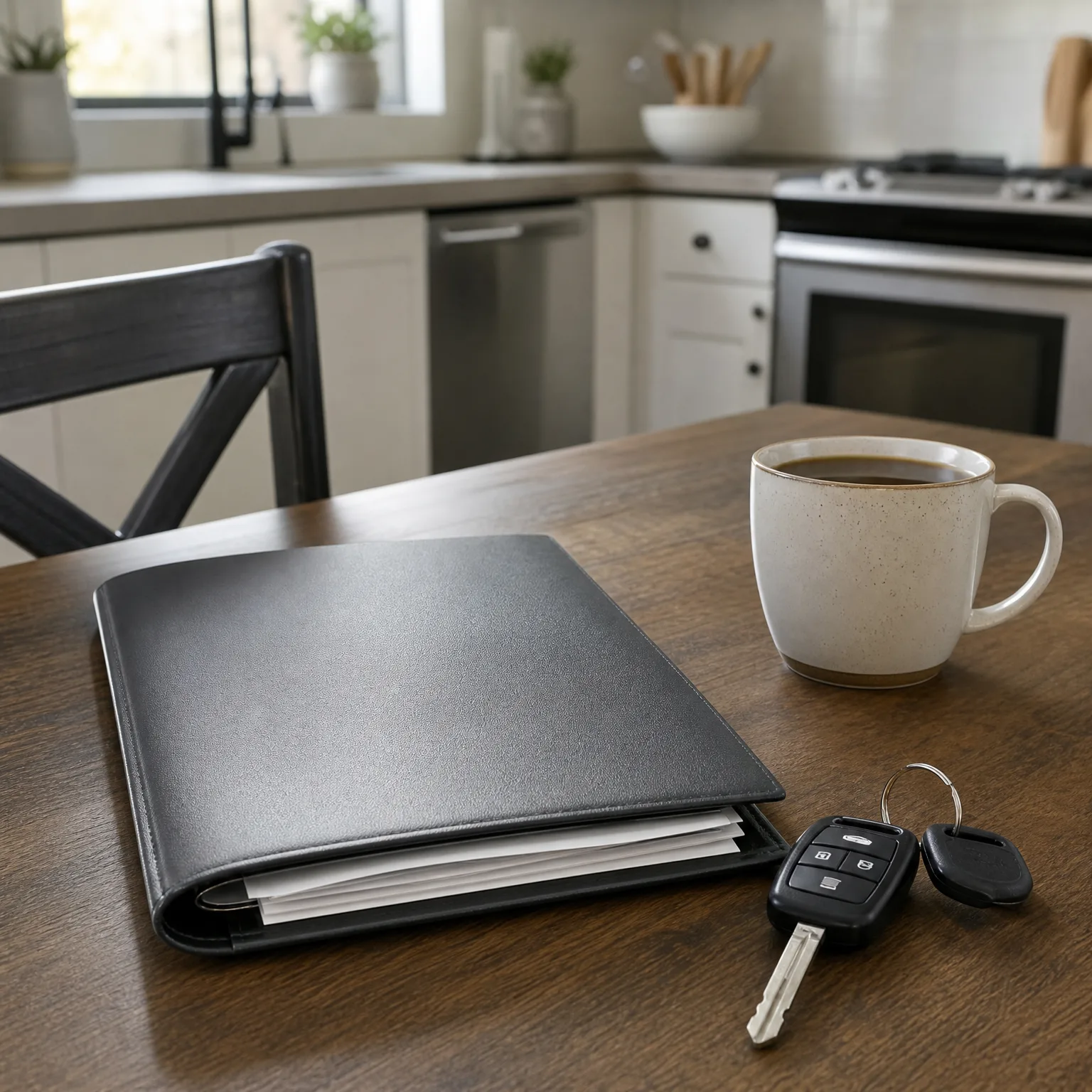
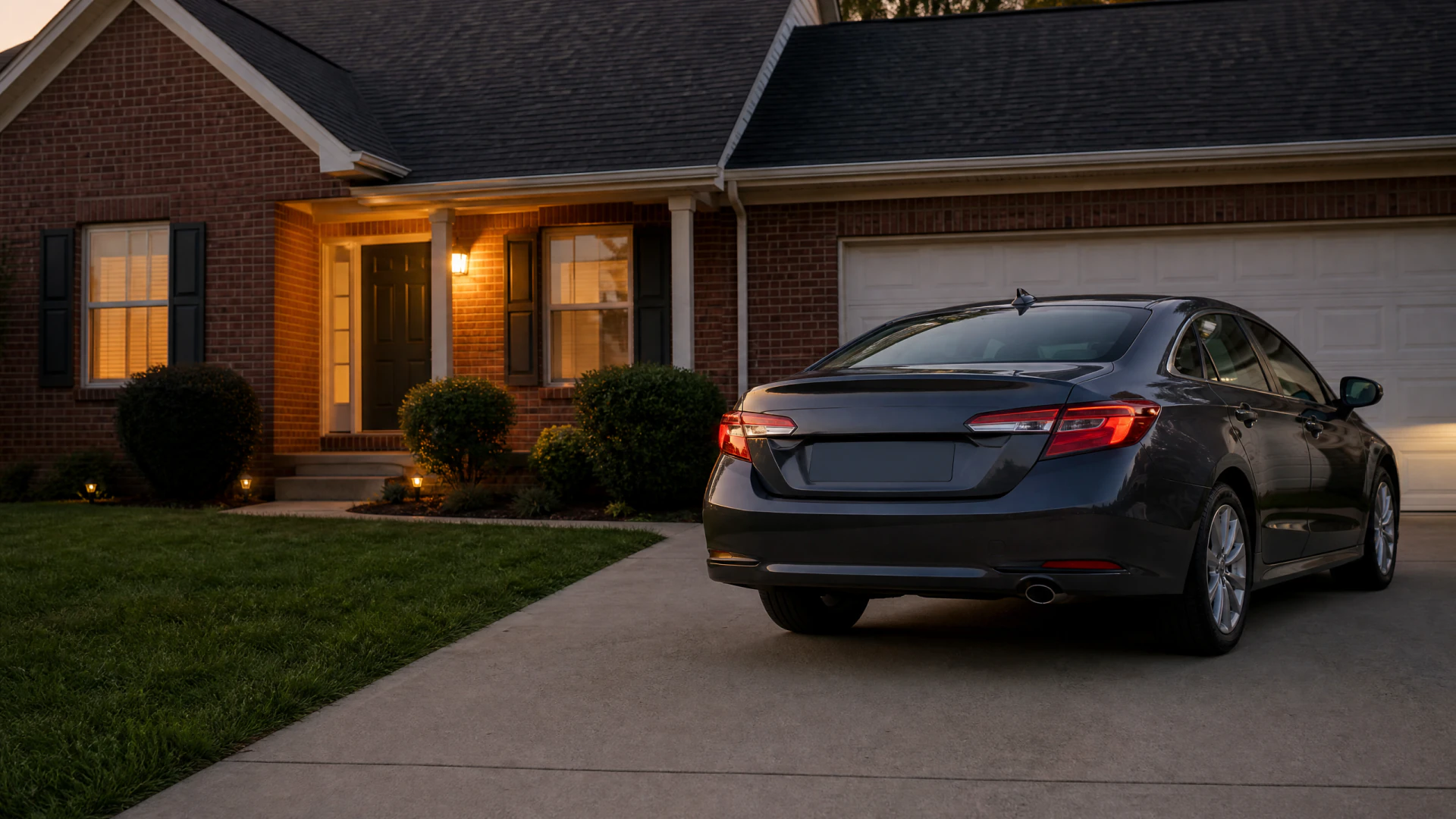
Someone moves out for a new job but doesn't buy a car right away. A parent offers up their second car instead, and the plan is for the new driver to use it as their everyday vehicle. The parent still owns it and it's still titled in their name, but they're not the one driving it to work five days a week.
They call the insurer together and explain the arrangement. The insurer lists the parent as the owner and the adult child as the primary driver on that vehicle, since that's who's actually behind the wheel most of the time. The parent's name stays on the title and the loan, if there is one. A few months later, the adult child is ready to buy their own car and title it properly, separating things out without any confusion about who was responsible for what while they were sharing.
Now that you know how to get listed correctly, compare quotes with the owner and driver roles set up right.

Should you tell the insurer you're the main driver
If you do
The policy reflects who's actually driving, so a claim gets paid without a dispute over who was behind the wheel. The rate may shift to reflect your record instead of the owner's, but that's the honest number, and it holds up if something happens.
If you don't
If the real driver isn't listed and files a claim, the insurer can investigate who was actually using the car most. Finding a mismatch can lead to a reduced payout, a denied claim, or the policy being cancelled entirely.
Why insurers care who's really driving, not just who owns the car
Car insurance prices risk, and risk comes from driving, not from owning. An insurer wants the policy to reflect whoever spends the most time behind the wheel, because that person's habits and record are what actually predict whether there's a claim. Ownership matters for a different reason, mainly because the owner has a legal and financial stake in the car and needs to be named on the policy to have that interest protected.
This is why the two roles can split without causing a problem, as long as the insurer knows about the split. Plenty of households have a car titled to one person but driven mainly by another, a parent and an adult kid, a couple where only one name is on the loan, roommates sharing a vehicle. Insurers have a standard way to handle this, which is to list the owner and name the primary driver separately on the same policy.
What changes the math is whose driving record the insurer leans on when setting the price. If the primary driver has a messier record than the owner, expect the price to reflect that, since the insurer is pricing the actual risk of who's on the road. If it's the other way around, a careful primary driver on a car owned by someone with a rougher record, the rate may land better than you'd expect once the primary driver's history is what counts most.
Where this gets handled differently is state to state and insurer to insurer, especially around how much proof of the arrangement they want and whether a written permission note is required. Some will take a verbal explanation, others want something in writing before they'll finalize the listing. Ask directly what your insurer needs, since assuming it's informal can cause issues later if a claim is ever filed.
Does my insurance go up if I'm not the car's owner but the main driver?
It depends on your driving record, not on whether you own the car. The insurer prices the policy around whoever drives most, so if your record is better than the owner's, the rate can actually improve. If it's worse, expect the price to reflect that. Ask the insurer to run it both ways, as the owner's primary driver versus as an occasional driver, so you can see the real difference before deciding how to set it up.
Can I insure a car that isn't in my name at all?
Yes, but the registered owner typically needs to be on the policy too, since they're the one with legal interest in the vehicle. You can be listed as the primary driver while someone else remains the owner on both the title and the policy. What you can't usually do is insure a car solely in your name while someone else holds the title, without the owner's involvement somewhere in the paperwork. Confirm the specific rule with the insurer, since requirements vary.
What happens to insurance if the owner of the car dies?
The policy doesn't automatically transfer, since it's tied to a person, not just the vehicle. Whoever inherits or takes over the car needs to update the title and then speak to the insurer to either take over the policy or start a new one in their name. Until that's done, there can be a real question about who's actually covered, so don't wait long after a death to sort out both the title and the insurance together.