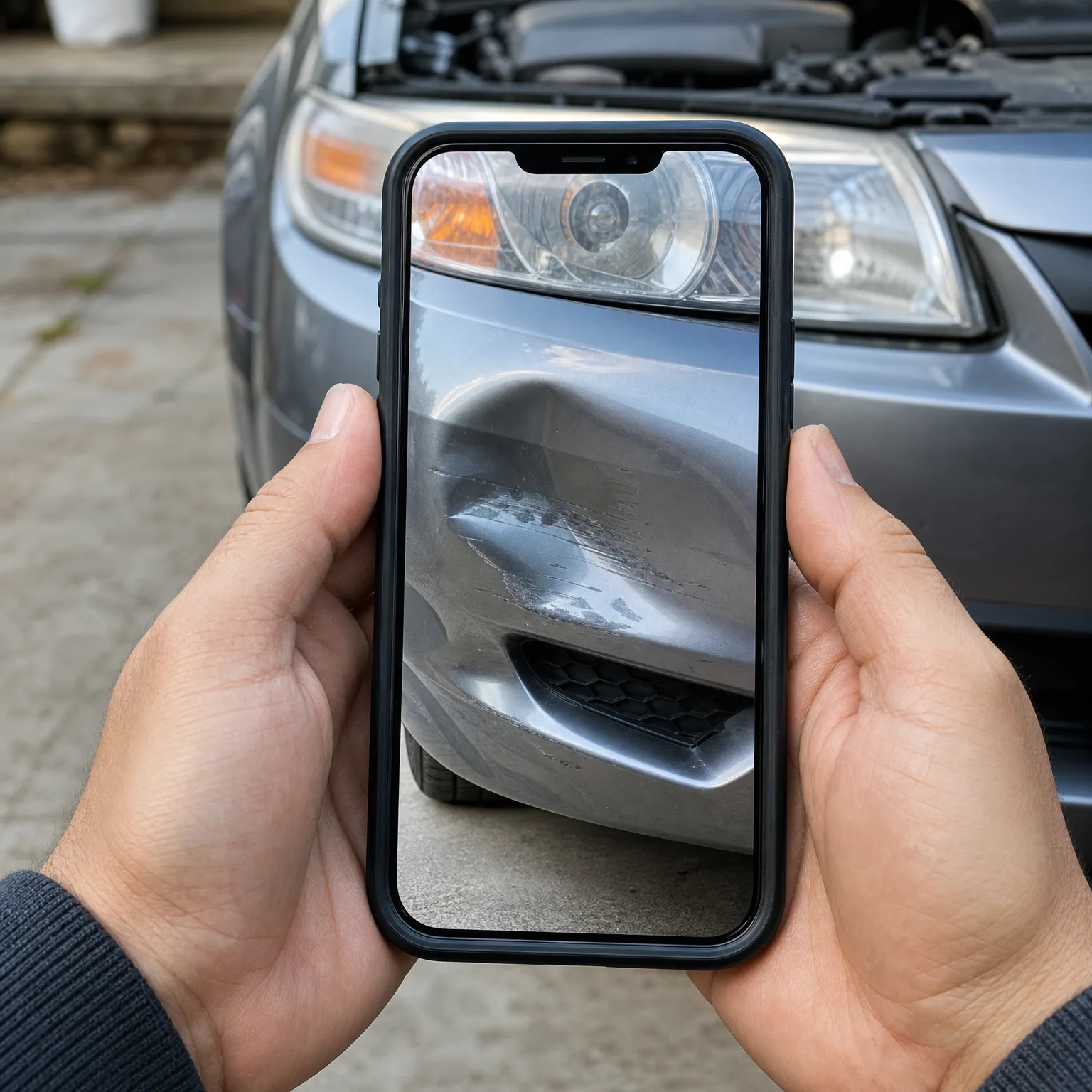
Can I Avoid a Rate Hike After an Accident
Sometimes yes, usually by a little and only if the accident was minor, not at fault, or covered by forgiveness you already earned.
Your rate reacts to risk, and fault decides how much
Insurers raise rates after an accident because an accident is new evidence that you're more likely to file another claim. The size of the increase depends mostly on fault. If the crash wasn't your fault and your insurer can recover its costs from the other driver's insurer, your rate often stays close to where it was. If you were at fault, the increase reflects that you're now a higher-risk driver in their eyes, at least for a while.
This is where things split by company and by state. Some insurers offer accident forgiveness, either built into your policy or earned after enough clean years, and that can wipe out the increase entirely for a first at-fault accident. Others use a surcharge schedule that's fixed and applies no matter how long you've driven for them. A few states limit how much a single accident can raise your rate, or for how long it can affect pricing, so what happens in one state may not happen in another.
Small claims matter too. If the damage is minor and you can cover it yourself, not filing a claim at all avoids the issue completely, since there's nothing for the insurer to price against. But this only works before you've reported it. Once a claim is open, the pricing impact is already in motion even if you later withdraw it, because the insurer has the accident on record either way.
The exceptions are what trip people up. A one-time forgiveness benefit won't apply if you've already used it. A not-at-fault accident can still raise your rate slightly in a few places, because some insurers count any accident as a frequency signal regardless of blame. None of this is universal, so the honest answer is to check your specific policy's accident forgiveness terms and your state's rules before assuming either outcome.

What actually decides if your rate goes up
- Who was at fault Fault is the biggest factor in whether your rate moves at all. If you weren't at fault and your insurer recovers costs, ask them directly whether that protects your rate.
- Accident forgiveness status Check if your policy already includes forgiveness or if you've earned it through years without a claim. If you haven't used it yet, this one accident might not cost you anything.
- Claim size versus deductible If repair costs are close to your deductible, paying out of pocket avoids triggering the surcharge entirely. Get a repair estimate before you decide to file.
- Your state's surcharge rules Some states cap how much a single accident can raise your rate or for how long. Ask your insurer or your state's insurance department what applies to you.
- Your insurer's specific policy Every insurer prices accidents differently, some with flat surcharges and others with sliding scales. Call and ask exactly what this accident will do to your renewal before you decide anything else.

Once you know whether this accident will raise your rate, compare quotes to see what a clean slate could cost instead.

Whether you file a claim for the damage
If you do
Filing protects you if repair costs run higher than expected or if the other driver disputes fault later. But it puts the accident on record immediately, starts any surcharge clock running, and removes your ability to quietly cover it yourself even if you change your mind afterward.
If you don't
Paying out of pocket keeps the accident off your claims history entirely, so there's nothing for your insurer to price against. But you're fully exposed if repair costs turn out higher than your estimate, and you get no help at all if the other driver later claims injury or additional damage.
How long will this accident affect my rate?
Insurers look back over a set stretch of driving history when pricing your renewal, so an accident typically stops affecting your rate once it ages out of that window. But this isn't universal. Some insurers weigh recent accidents more heavily than older ones within that window, so the impact often fades gradually rather than disappearing all at once on a fixed date.
A few states regulate how long an insurer can factor in a single accident, which can shorten that window further. If you switch insurers before the accident ages out, the new insurer will still ask about accident history and may price it differently than your current one did, sometimes better and sometimes worse. The only way to know your specific timeline is to ask your insurer directly how far back they look and whether this accident still counts at your next renewal.

What matters less is the accident, and more whether forgiveness, a low claim, or fault was on your side.