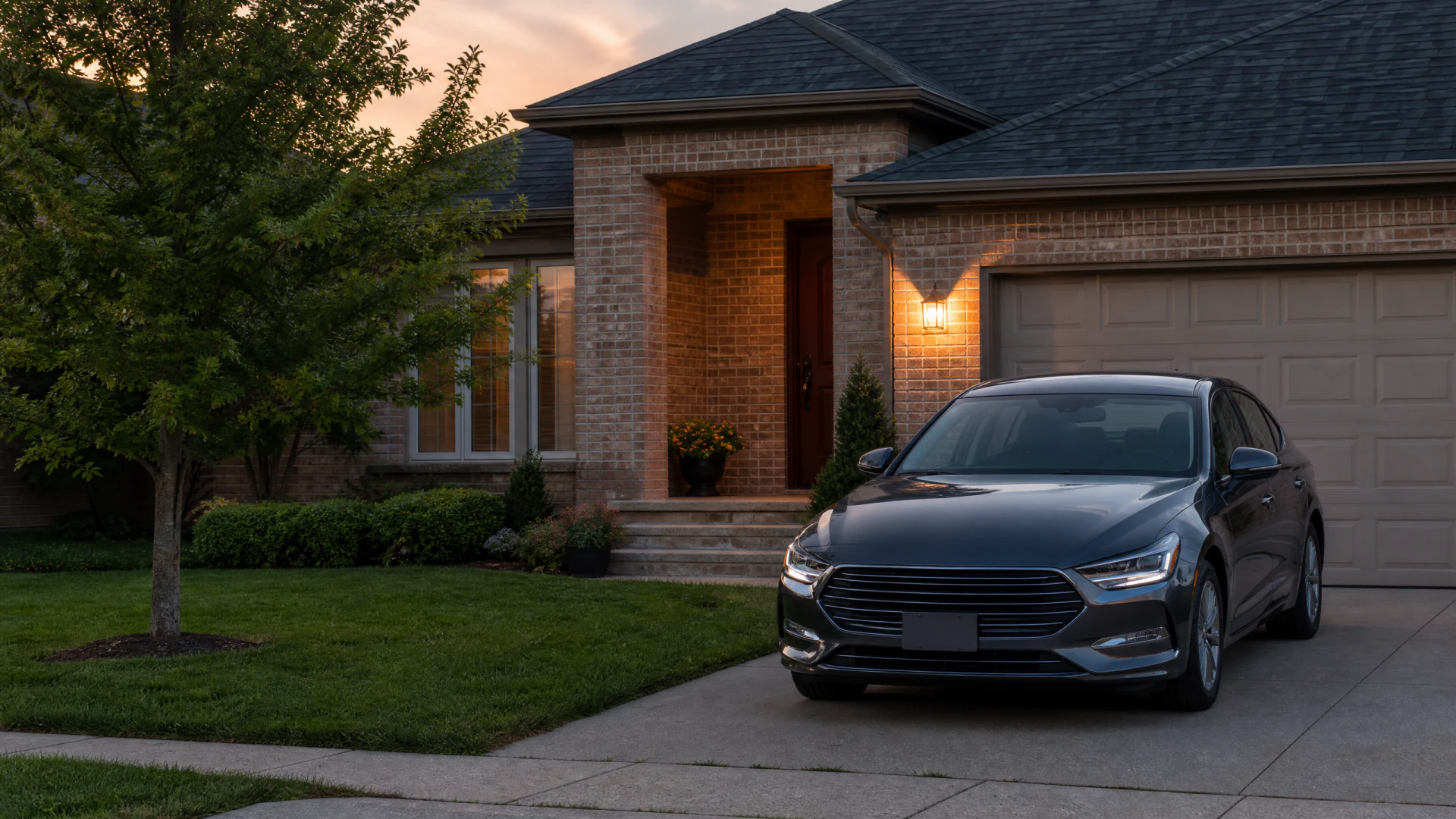
Can a Household Member Drive My Car
Yes, usually, but only if your insurer already knows about everyone living in your home.
Your policy follows the car, and insurers expect your full household
Car insurance is written around the vehicle, not just the person who usually drives it. That's why most policies extend coverage to someone who borrows your car with permission, even occasionally. The catch is that insurers don't price your policy on permission alone. They price it on who actually lives in your home and has regular access to your car, because that's who is statistically likely to be behind the wheel.
This is why insurers ask you to list household members, especially anyone old enough to drive, whether or not they're on the policy as a named driver. If someone in your home drives your car regularly and isn't listed anywhere, you have a gap between what your insurer thinks is true and what's actually happening. That gap is where claims get denied or delayed, not because the drive itself was unauthorized, but because the household wasn't accurately represented when the policy was written.
Occasional use is different from regular use, and insurers draw that line deliberately. A roommate borrowing your car once for an errand is a different risk than a partner who drives it three times a week. The second situation usually needs that person added as a listed or named driver, because frequency changes the odds of a claim, and insurers price for odds.
Where this gets complicated is when the household member has their own car, their own policy, or a driving record you don't want tied to yours. Rules about who must be listed, and how that affects your rate, vary by insurer and by state, so the only reliable answer is to call and describe your actual household, not a simplified version of it.

The short version
A household member can usually drive your car if your insurer knows they live with you, because coverage follows the car and the household, not just you. The risk is an unlisted regular driver creating a claims problem. Call your insurer and tell them exactly who lives with you and how often they drive your car.
Does adding a household member to my policy raise my rate?
Sometimes, but not always, and not usually by as much as people fear. What matters most is that person's own driving record and how often they'll actually be driving your car, not simply the fact that they exist in your household.
If they have a clean record and rarely drive, the effect can be minimal. If they have a history of claims or violations, or they'll be a primary driver of the car, expect a bigger shift. The only way to know your actual number is to ask your insurer directly, because the math depends on specifics they already have about you and specifics about the other person that you'll need to provide honestly.
Once you know who needs to be listed, compare quotes that already reflect your real household.

Telling your insurer who lives in your home and drives your car
If you do
Your insurer prices the policy on accurate information, so a claim involving that person is handled as expected. If their record is clean, your rate may not move much. You also avoid the insurer later discovering an unlisted driver and questioning why they weren't on the policy from the start.
If you don't
Your policy still looks fine on paper until something happens. If that household member is driving when a claim occurs, your insurer may investigate, delay payment, or deny the claim entirely, arguing the policy wasn't accurate. You could end up paying out of pocket for damage you believed was covered.
What determines whether your household member is covered
- Occasional versus regular use Borrowing your car once is usually covered as permissive use. Regular driving, like a partner using it several times a week, usually needs that person listed on your policy.
- Everyone in your home counts Insurers typically ask who lives with you, including non-drivers, to assess the full household. Give a complete answer even if someone rarely or never drives.
- Their driving record matters A household member with violations or claims on their record can affect your rate once listed. Ask your insurer for the specific impact before assuming the worst.
- State and insurer rules differ Some insurers require all licensed household members to be listed or excluded by name. Check your insurer's specific rule rather than assuming it matches a friend's policy.
- Excluding a driver is an option If someone in your home has a poor record and won't drive your car, you can often exclude them in writing. Confirm how your insurer handles exclusions before relying on this.