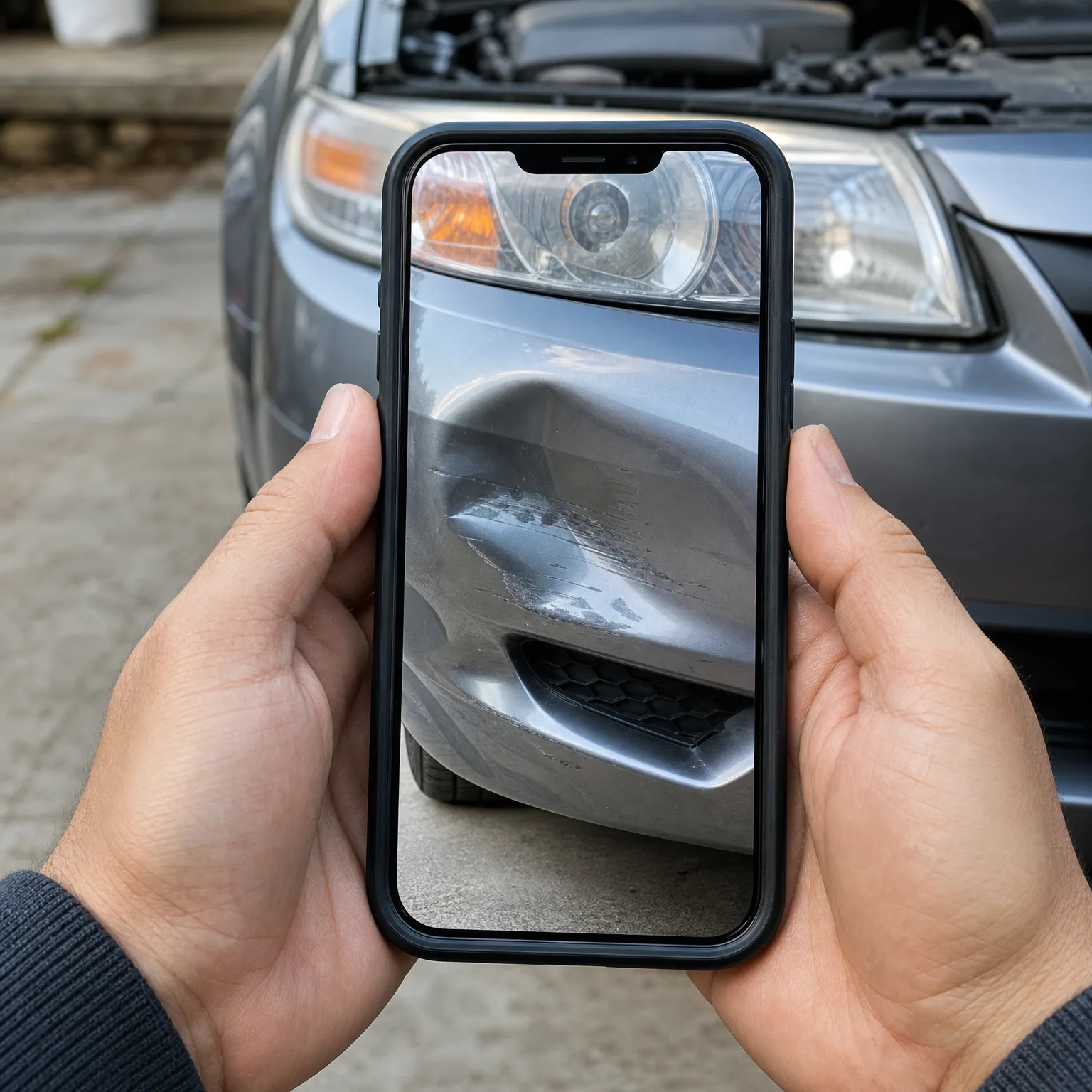
Auto Insurance 100/300 vs 250/500
250/500 pays more per person and per accident than 100/300, and for most married couples it costs less than people expect.
The gap is what a lawsuit can reach, not what a normal accident costs
Liability limits describe two numbers. The first is what your insurer pays for injuries to one person in an accident you caused. The second is the total for everyone hurt in that same accident. 100/300 means a hundred per person up to three hundred total. 250/500 doubles both. Most accidents never get close to either number, which is exactly why the higher limit feels unnecessary until the one time it isn't.
What changes between these two limits is your exposure once you own more as a couple. A single insurance policy can't tell if you're married, but it prices around what you have to lose. Two incomes, a jointly owned house, retirement accounts building up together, all of that is money a lawsuit could reach if a judgment against you exceeds your coverage. A judgment doesn't stop at your limit. It stops at what you own, and your policy only covers up to the number you chose.
This is why the math shifts after a wedding even when nothing about your driving changed. Before, maybe one of you had little to protect, so 100/300 made sense. Combined, your household net worth might justify the extra cushion, because the insurer isn't pricing your risk of causing an accident, it's pricing the size of the claim you could face.
Where this plays out differently is if one partner has a record that already pushes your combined premium up. In that case the cost difference between the two limits can be smaller than you'd guess, since the base rate is already elevated. Ask your insurer to quote both side by side before assuming the gap is large.

A couple merging policies after the wedding
A newly married couple combined their two cars onto one policy. One partner had a clean record, the other had a speeding ticket from the year before. They worried the ticket would push their shared rate higher than staying separate, so before merging anything they asked their agent to run both limits, 100/300 and 250/500, using their combined household.
The ticket did raise the base premium slightly, as expected. But the difference between the two liability limits turned out to be modest compared to what they'd assumed, because most of the added cost was already baked in from the ticket itself. They chose 250/500 since they'd just bought a house together and wanted the coverage to match what they now had to protect. They kept the title and registration in each of their own names, since merging insurance didn't require renaming anything on the vehicles.
Will my spouse's driving record make 250/500 cost too much to justify?
It depends more on the record than on the limit itself. A clean record paired with one that has a ticket or an accident usually raises your combined base premium regardless of which liability limit you choose. The jump from 100/300 to 250/500 is typically a smaller add-on compared to that base increase, not a second penalty stacked on top of it.
The only way to know for your household is to get both limits quoted together, with both drivers and both cars on the same policy. Some insurers price the jump between limits as a flat amount, others scale it with your existing premium. If the increase for going to 250/500 is small next to what the record already added, it's usually worth it, since the coverage protects the same assets the record already put at risk.
Compare 100/300 and 250/500 quotes side by side on your combined policy to see what the higher limit actually costs you.

Whether you raise your liability limit to 250/500
If you do
Your policy pays more per person and more total if you cause an accident that hurts others. A judgment against you is far less likely to exceed your coverage and reach your joint savings, your house, or future wages. The added monthly cost is usually modest once you see both quotes together.
If you don't
You keep paying less each month, but a serious accident could produce a judgment larger than your 100/300 limit covers. The difference between what your policy pays and what's owed becomes your responsibility, and with shared assets now in the picture, that gap is money you both stand to lose.
What to check before you pick a limit together
- Combined net worth Once you're married, what either of you owns can be reached in a lawsuit against either driver. Add up shared assets before deciding how much protection makes sense.
- Each driver's record separately A ticket or accident on one record usually raises the base premium for the whole household. Get both drivers quoted together before comparing liability limits.
- State minimum rules Some states require higher minimums already or structure limits differently. Check your state's actual requirement before assuming 100/300 is even the baseline.
- Title and name changes Combining insurance doesn't require retitling a vehicle or changing names on registration. Handle any legal name change separately through your state's motor vehicle agency.
- Umbrella policy alternative If 250/500 still feels short of what you want to protect, ask about an umbrella policy instead. It often extends coverage further for less than maxing out auto liability alone.
Does combining car insurance after marriage actually lower the total premium?
Often yes, but not always, and it depends mostly on both driving records. Insurers frequently offer a discount for having multiple drivers and cars on one policy, which can offset or outweigh any increase caused by a less clean record. The only way to know is to get a combined quote and compare it to what you're each paying separately right now. If one record is significantly worse, ask the insurer to quote you both separately and combined, since in rare cases staying separate costs less overall, especially if your states differ.
Should we put both cars under one insurer or keep separate companies?
One insurer is usually simpler and often cheaper due to multi-car discounts, but it isn't required. If one of you already has a strong relationship with an insurer through other policies, like home or renters insurance, it may be worth getting combined quotes there first. Compare the combined option against staying separate before deciding, since bundling discounts vary by company and aren't guaranteed to beat two separate good rates.
Do we need to change the names on our car titles after getting married?
No, not unless you want to add the other spouse as a co-owner. Insurance and vehicle titling are handled separately, so merging your insurance policy has no effect on whose name is on either car's title or registration. If you do want to add a spouse to a title, that's done through your state's motor vehicle agency, not through your insurer, and it's a separate decision from which liability limit you choose.