Are Unlisted Drivers Covered by Car Insurance
Most policies cover an unlisted driver with your permission, but how the claim pays out depends on why they weren't listed.
When a sibling borrows the car for a weekend
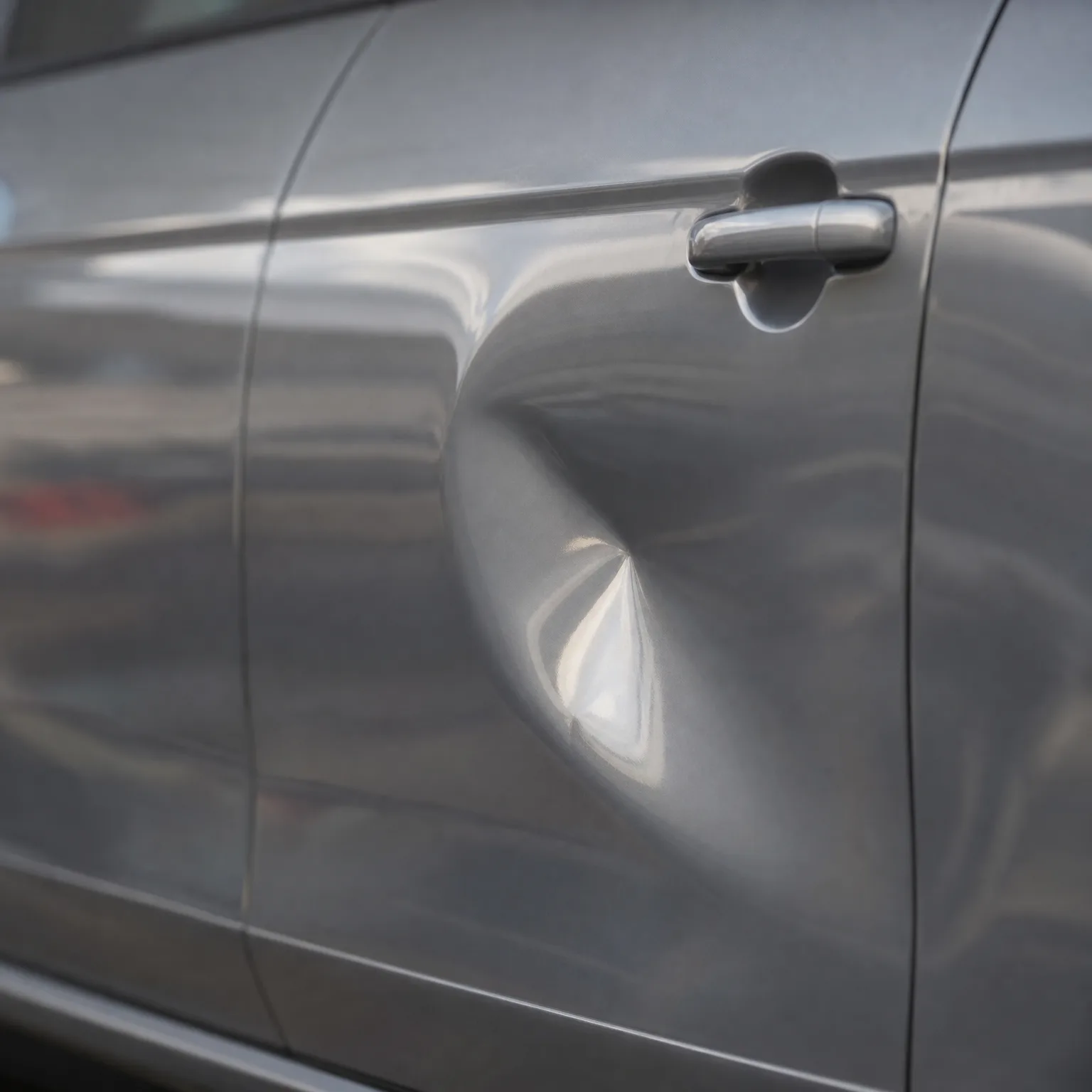
Say your brother is staying with you while his own car gets fixed, and he borrows your sedan to get to work for a few days. He's not on your policy, you didn't add him, and nobody called the insurer first. On day two he backs into a parked car in a lot.
Because he had your permission to drive, your policy responds to the claim. The insurer pays for the damage under your coverage, but they also start asking questions. How often does he drive the car? Does he live with you? If the answers suggest he's really a regular driver who should have been on the policy from the start, they can adjust your premium going forward or flag the policy for a correction. The one-time favor gets covered. A pattern that looks like hiding a driver does not end as smoothly.
Does my rate go up if an unlisted driver causes a crash?
It can, and the reason is simple. The claim gets paid out of your policy, so it shows up as a claim on your record no matter who was behind the wheel. Insurers set your renewal price partly on claims history, so a claim from a borrowed-car crash can raise what you pay next time just like a claim you caused yourself would.
How much it moves, and whether it moves at all, depends on the insurer and on your state's rules around claim surcharges. Some insurers forgive a first claim, some weigh who was driving, and some don't. If this is a real possibility for you, call your insurer and ask directly how they handle a claim caused by a permitted but unlisted driver before it happens, not after.

Should you add the person to your policy or leave them off
If you do
Adding them means the insurer prices your policy knowing they drive the car. Your rate reflects reality, claims go smoother because there's no question about who the driver was, and you avoid any chance of the insurer challenging coverage later for leaving out someone who drives regularly.
If you don't
Leaving them off works fine for occasional, permitted use like a one-time borrow or an emergency. But if they drive often, live with you, or use the car regularly, the insurer can treat that as undisclosed and may reduce what they pay on a claim or reprice your policy once they find out.
Once you know whether this driver needs adding, compare quotes priced correctly from the start.

What actually determines whether an unlisted driver is covered
- Permission is what matters If you gave them the keys and said yes, that's permissive use, and most policies extend coverage to them. Make sure you actually agreed, even casually, before assuming you're covered.
- Regular drivers need listing Someone who drives your car often or lives in your household usually has to be named on the policy. Check your policy's definition of a regular or resident driver so you're not guessing.
- Residents differ from guests A partner, roommate, or adult child living with you is treated differently than a visiting friend. If someone new moves in and will use the car, call your insurer and ask if they need to be added.
- Excluded drivers are not covered If you specifically excluded someone from your policy, letting them drive voids coverage for that trip entirely. Never hand the keys to anyone you've named as an excluded driver, no matter the reason.
- Claims still affect your policy Even when an unlisted driver is covered, the claim is paid under your policy and can affect your future rate. Ask your insurer how they handle this specific situation before it becomes one.
Why coverage follows the car and not just the driver
Car insurance is built around the vehicle first. The policy is written to protect the car and the owner, and it extends to whoever is driving it with permission, because insurers assume a reasonable owner won't hand the car to just anyone. This is why a friend borrowing your car for an afternoon is typically covered without you doing anything extra.
The system breaks down when the unlisted driver isn't really an occasional guest but a regular part of your household. Insurers price your policy based on everyone who's expected to drive the car regularly, because frequent drivers change the actual risk. If someone drives often but isn't on the policy, the insurer has priced your risk incorrectly, through no fault of theirs since they didn't know. That gap is what lets them reduce a payout or adjust your policy once they learn the truth.
Exclusions work by the opposite logic. When you name someone as excluded, you're telling the insurer this person is specifically not covered under any circumstance, usually because of a bad driving history or a past conflict. That exclusion overrides the general rule about permission, so even a one-time favor isn't protected if the person is on that list.
Where this varies is in how strict insurers are about defining a household member versus a guest, and how state rules treat claims involving unlisted drivers. Some states lean toward protecting the injured party no matter who was driving, which affects liability payouts differently than the damage to your own car. Check your policy documents and your state's rules if this situation applies to you regularly, rather than assuming the general pattern covers your exact case.